
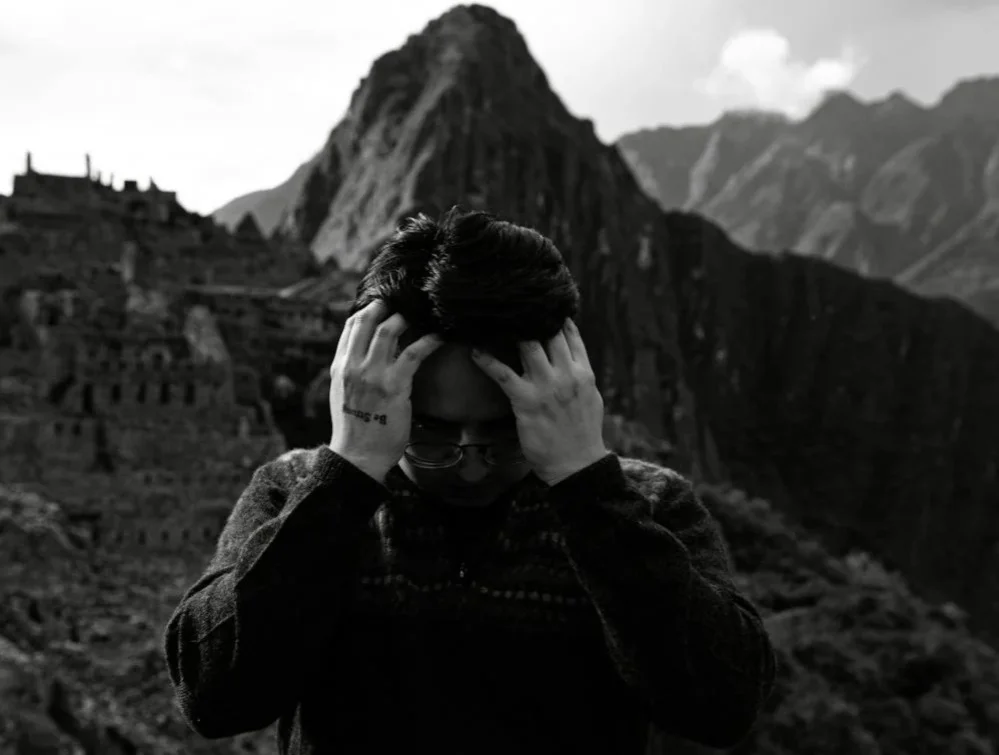
If you’re planning a trip to Peru, you’re likely wondering if Machu Picchu can cause altitude sickness, this is an essential topic to understand in order to prepare properly and enjoy your experience without any issues. In this blog by Kantu Peru Tours, we will provide you with all the details about Machu Picchu’s altitude and how it might affect your visit, as well as explain the altitude differences between other attractions within the citadel, such as Machu Picchu Mountain, Huayna Picchu, Huchuy Picchu, and the Inti Punku hike. Knowing the altitude and how to adapt is crucial for making the most of your visit without compromising your health. Keep reading to discover everything you need to know and get ready to enjoy this wonder!

What is Machu Picchu and why is it important for visitors?
Machu Picchu is an impressive 15th-century Inca citadel located in the Andes of Peru, widely known for its spectacular views and unique Inca architecture. It was rediscovered in 1911 by explorer Hiram Bingham. As a visitor, Machu Picchu is an essential destination to explore, offering a unique glimpse into the rich history and engineering marvels of the Inca civilization. As a UNESCO World Heritage site and one of the Seven Wonders of the World, it is not only a symbol of Peru’s cultural heritage but also one of the most iconic and visited destinations in the world.

Machu Picchu’s Altitude
Machu Picchu is located at an altitude of 2,430 meters above sea level (8,972 ft), making it a moderate-altitude archaeological site. While it is not one of the highest peaks in the region, its position in the Andes can affect travelers who are not used to high altitudes. Understanding Machu Picchu’s altitude is important because the lower oxygen levels at this height can cause symptoms like difficulty breathing, dizziness, or headaches, especially if proper acclimatization has not been done.

How high is Machu Picchu regarding Cusco City?
It is important to know that the only way to reach Machu Picchu is by train from Cusco or Ollantaytambo. On that way, keep in mind that Machu Picchu is located at 2,430 meters above sea level, a moderate and accessible altitude. Considering this, the change in altitude from Cusco, which is at 3,400 meters above sea level, can cause altitude sickness in some travelers during their stay. Cusco, in turn, presents a higher risk of altitude sickness due to its greater elevation, so proper acclimatization is crucial before visiting Machu Picchu. Remember that although the lower altitude of Machu Picchu can aid in adaptation, many travelers experience symptoms after spending only a short time in Cusco before reaching the citadel.

Machu Picchu’s Altitude vs Aguas Calientes
Aguas Calientes, the closest town to the citadel, is at an altitude of 2,040 meters above sea level, while Machu Picchu is located at 2,430 meters above sea level. The 400-meter altitude difference can be covered in two ways:
1. By bus: With a 25-minute ascent, many travelers opt for the bus to avoid additional physical exertion, especially if they are not fully acclimatized.
2. On foot: With a nearly 2-hour hike, many choose to spend the night in Aguas Calientes before heading to Machu Picchu the next day, which helps with altitude adjustment and the climb.

Heights within the Machu Picchu Archaeological Park
Machu Picchu, at an altitude of 2,430 meters above sea level (m.a.s.l.), is the main and most accessible site for tourists. However, there are other nearby popular areas at higher elevations that offer different challenges and panoramic views. Huayna Picchu, located at 2,693 m.a.s.l., is one of the region’s most famous mountains and a popular hike due to its spectacular views. On the other hand, Machu Picchu Mountain sits at 3,082 m.a.s.l. and presents a more demanding hike, but with breathtaking scenery.
Altitude of Machu Picchu Mountain
Machu Picchu Mountain is a popular destination for those seeking an additional physical challenge during their visit. Situated at 3,082 m.a.s.l., this mountain offers one of the best panoramic views of the citadel and the surrounding area. The hike to the summit is demanding and takes about 3 hours, making it an excellent option for tourists with a suitable fitness level. Due to the altitude, it’s essential to be properly acclimatized to avoid altitude sickness.
Though Machu Picchu Mountain is a challenge, the reward is stunning views of the ancient Inca city, and it is an excellent way to explore the natural beauty surrounding Machu Picchu. Many visitors choose this route to escape the crowds and enjoy a more peaceful, exclusive experience. However, it’s important to take precautions when hiking at higher altitudes and ensure you are physically prepared.

Altitude of Huayna Picchu
Huayna Picchu’s altitude is 2,693 m.a.s.l., making it one of the highest mountains around Machu Picchu. This route is famous for its steep and challenging ascent, combined with spectacular views of the citadel and the surrounding jungle. Despite being higher than Machu Picchu, the hike is shorter but requires good physical condition to fully enjoy it.
As you ascend the Huayna Picchu route, tourists may feel closer to the sky due to the altitude, making the hike even more impressive. However, due to its higher elevation and the physical effort required, it is crucial that visitors are properly acclimatized to avoid altitude sickness symptoms such as headaches or dizziness, which could affect the experience.

Altitude of Huchuy Picchu
Huchuy Picchu stands at about 2,490 m.a.s.l., making it a lower mountain compared to others like Huayna Picchu or Machu Picchu Mountain. Despite its lower altitude, Huchuy Picchu offers a unique experience for those seeking a quieter and less demanding hike. The route is shorter, making it ideal for tourists who want a lighter walk without compromising the spectacular views of Machu Picchu.
Although not as well-known as other nearby mountains, Huchuy Picchu allows for an impressive view of the Inca citadel and its surroundings. For travelers who want to avoid the crowds, this is a great option, and its lower altitude also reduces the risk of altitude sickness, making it an excellent alternative for those who prefer a gentler hike.

Altitude of Inti Punku (Sun Gate)
Inti Punku, the Sun Gate, is located at 2,720 m.a.s.l. and is another point of interest for visitors, especially for those who want to see the sunrise over Machu Picchu. Comparing the heights, Huayna Picchu is the highest of the mountains near the citadel, followed by Machu Picchu Mountain. Each of these sites offers a unique experience, but it’s important to remember that higher altitudes can increase the effects of altitude sickness if adequate acclimatization is not done.

Altitude of the Inca Bridge in Machu Picchu
The Inca Bridge is located at approximately 2,400 meters above sea level, very close to the entrance of Machu Picchu. This bridge, which is part of the ancient access routes to the citadel, offers a stunning view of the surrounding area. While its altitude is slightly lower than the main citadel, it still sits in the mountainous region of the Andes, which may make some travelers feel the effects of altitude. However, its strategic location and the beauty of the surroundings make this spot a fascinating place to explore within Machu Picchu.

How the altitude of Machu Picchu affects travelers?
Machu Picchu’s altitude of 2,430 m.a.s.l. is high enough to affect some travelers. Symptoms of altitude sickness may include headaches, dizziness, and shortness of breath. However, most tourists do not experience serious issues, especially if they have had time to acclimatize in Cusco or the Sacred Valley before reaching the citadel.
Additionally, the altitude not only influences travelers’ physical well-being but also the way they experience the site. The lower oxygen levels in the air can make walking more challenging, prompting visitors to move more slowly and take in the landscape more deeply.

Tips to minimize the altitude effects in Machu Picchu
1. Stay well-hydrated: Altitude can lead to rapid dehydration, so it’s essential to drink plenty of water throughout the trip to avoid discomfort or altitude sickness.
2. Avoid alcohol and heavy meals: These factors can intensify altitude sickness symptoms, so it’s best to avoid them before and during your visit.
3. Rest and walk slowly: Don’t rush your walk and take regular breaks to help your body adjust more easily to the altitude.
4. Acclimatize in Cusco: Spend at least 2 or 3 days in Cusco before heading to Machu Picchu to help your body adjust to the altitude. You can explore the city and take light walks in the Sacred Valley.
5. Consult with a doctor: If you’re prone to altitude sickness, talking to a doctor about preventive medication can offer greater peace of mind and comfort during your visit.

Altitude of other must-visit attractions in Cusco
- Sacsayhuamán: 3,700 meters (12,139 feet) Archaeological site near Cusco, known for its enormous stone blocks.
- Sacred Valley of the Incas: 2,800 meters (9,186 feet) A set of valleys and archaeological sites like Ollantaytambo and Pisac, offering excellent acclimatization zones.
- Ollantaytambo: 2,792 meters (9,160 feet) A town and archaeological site in the Sacred Valley, famous for its Inca terraces and architecture.
- Pisac: 2,972 meters (9,751 feet) Known for its impressive agricultural terraces nestled in the top of the mountain and Inca ruins.
- Moray and Maras Salt Mines: 3,500 meters (11,483 feet) Famous for its circular terraces used for agricultural experiments during Inca times.
- Chinchero: 3,762 meters (12,343 feet) A traditional town with Inca ruins, a colonial church, and a famous textile market.
- Tipón: 3,500 meters (11,483 feet) Archaeological site with water channels and terraces, offering excellent panoramic views.
- Rainbow Mountain (Vinicunca): 5,200 meters (17,060 feet) A popular tourist destination known for its vibrant colored mountains. It is a challenging hike due to its high altitude.
- Humantay Lake: 4,250 meters (13,943 feet) A beautiful turquoise lake located in the Andes, famous for its stunning landscape but at a high altitude.

Gradual Exploration of Cusco and Machu Picchu
One of the most effective methods for adjusting to the altitude is to take a 7-day acclimatization tour in Cusco, which allows travelers to spend time in the city and its surroundings before heading to Machu Picchu. During this period, you can engage in light activities such as a City Tour and walks in the Sacred Valley, helping your body prepare for the higher altitude. Additionally, local guides can offer useful advice on how to manage altitude sickness symptoms.
This gradual approach is especially helpful for those not accustomed to high altitudes, as it gives them time to acclimate before embarking on treks to Machu Picchu or nearby mountains like the Rainbow Mountain or Humantay Lake. Rest assured that, with adequate time for adjustment and rest, you can minimize the risks of altitude sickness and fully enjoy the wonders of the Andean region without compromising your health.

Machu Picchu is an awe-inspiring destination that combines history, culture, and spectacular landscapes. However, it’s important to be prepared for its altitude, as it can affect some travelers. Taking measures such as acclimatization, staying hydrated, and avoiding excessive exertion are key to enjoying the experience without issues.
If you’re planning to visit Machu Picchu, it’s recommended to choose a well-organized trip that considers these aspects, such as the packages offered by Kantu Peru Tours, which include ample time for acclimatization and allow you to fully enjoy everything this majestic site has to offer. Prepare for your adventure and make your visit a unique experience!





No comment yet, add your voice below!