
Cusco, the historic capital of the Inca Empire, is not only a destination full of mysticism and breathtaking landscapes but also a culinary paradise that has evolved remarkably in recent years. By 2025, the gastronomy in Cusco has reinvented itself, blending tradition and modernity, and offering unique experiences for the most discerning palates. If you’re planning to visit this marvelous city and wondering where to eat in Cusco, thanks to Kantu Peru Tours, here’s everything you need to know about the trends, must-try dishes, budget-friendly spots like the San Pedro Market, and the restaurants in Cusco that are setting the standard.
Must-Try Dishes of the Gastronomy in Cusco
If you visit Cusco in 2025 and wonder where to eat, these are the dishes you can’t miss during your stay:
→ Roasted Guinea Pig with Andean Herbs: A classic that has evolved, now served with a gourmet touch, accompanied by native potatoes and sauces made from local fruits like aguaymanto. Although some people may not enjoy eating guinea pig, it’s important to know that it’s fed with vegetables and raised specifically for consumption.
→ Chiriuchu: This traditional dish, combining cold meats, corn, cheese, and seaweed, remains an icon of Cusco’s gastronomy. In 2025, some Cusco restaurants have reinvented it with more modern presentations.
→ Seafood-Stuffed Causa with an Andean Twist: The classic Lima-style causa has been adapted with Cusco ingredients, such as yellow potatoes and yellow ají, creating a delicious fusion.
→ Cusco-Style Lomo Saltado: An Andean version of the Lomo Saltado incorporates local ingredients like alpaca or llama meat, native potatoes, and regional ají peppers. It’s served with a touch of Andean herbs, giving it a unique flavor.
→ Fried Trout: Sourced from the region’s rivers and lagoons, trout is a fresh and delicious fish served fried, accompanied by rice, golden potatoes, and a fresh salad. It’s a simple yet flavorful dish.
→ Cusco-Style Stuffed Rocoto: Rocoto, a spicy pepper typical of the region, is stuffed with ground meat, cheese, and spices, then baked until creamy. In Cusco, it’s served with native potatoes and a peanut sauce that adds a special touch.
→ Quinoa Soup with Andean Mushrooms: A comforting and nutritious soup made with quinoa, wild mushrooms from the region, and aromatic herbs. It’s ideal for combating the cold Cusco nights.
→ Cusco-Style Tamales: Unlike tamales from other regions, Cusco tamales are made with purple corn and filled with pork or chicken, wrapped in banana leaves. They’re a must-try breakfast or snack.

Traditional Drinks of Cusco
In addition to its exquisite food, Cusco is famous for its traditional drinks, which reflect the cultural richness and unique flavors of the Andes. From ancestral beverages to modern creations with Andean touches, here are the must-try drinks you should sample during your 2025 visit.
→ Chicha de Jora: A fermented drink made from jora corn (germinated corn), chicha de jora is one of the oldest and most emblematic beverages of the region. It has a slightly sour and sweet flavor and is served cold. This drink has pre-Hispanic roots and was used in ritual ceremonies by the Incas.
→ Chicha Morada: Made from purple corn, this drink is sweet, refreshing, and packed with antioxidants. It’s prepared with pineapple, cinnamon, cloves, and lemon, giving it a unique flavor. Although it originates from the Peruvian coast, chicha morada is served in many restaurants as an accompaniment.
→ Emoliente: A hot and comforting drink, ideal for cold Cusco nights. It’s made with herbs like barley, flaxseed, alfalfa, and boldo, sweetened with honey or sugar. Known for its digestive and detoxifying properties, emoliente is a medicinal drink also enjoyed as a relaxing tea.
→ Coca Tea: An infusion made from coca leaves, this drink is famous for helping to alleviate altitude sickness or soroche, common among visitors unaccustomed to Cusco’s elevation. Coca leaves hold deep cultural significance in the Andes and have been used for centuries for their energizing properties.
→ Pisco Sour with an Andean Twist: The classic Peruvian cocktail, made with pisco, lemon, egg white, and gum syrup, gets a Cusco touch with the addition of Andean fruits like aguaymanto or maca. It’s perfect for toasting at a restaurant overlooking Cusco’s Plaza de Armas.
→ Andean Craft Beer: In recent years, Cusco has seen a surge in the production of craft beers made with local ingredients like quinoa, purple corn, and maca. These beers have unique flavors and are ideal for pairing with dishes like roasted guinea pig or lomo saltado.

Gastronomic Trends in Cusco for 2025
Nowadays gastronomy in Cusco 2025 is marked by four main trends that combine tradition with innovation. Here they are, along with examples of Cusco restaurants that represent them:
Andean-Contemporary Fusion
Cusco’s cuisine has embraced fusion, combining ancestral ingredients with modern techniques. If you’re looking for where to eat in Cusco to try this trend, don’t miss these three places:
• Mil Centro: Located on the outskirts of Cusco, this restaurant by renowned chef Virgilio Martínez offers a menu that explores Andean biodiversity with a avant-garde approach. Try their alpaca tartare with high-altitude herbs.
• MAP Café: Situated in the Museum of Pre-Columbian Art, this restaurant fuses Peruvian cuisine with international touches. Don’t miss their quinoa risotto with Andean mushrooms and truffle.
• Limo: With a view of the Plaza de Armas, this restaurant combines Nikkei (Japanese-Peruvian) cuisine with Andean ingredients. Try their trout ceviche with Andean tiger’s milk.

Sustainability and Local Products
Cusco restaurants are prioritizing the use of organic and locally sourced ingredients. If sustainability interests you, these three spots are a must:
• Green Point: A vegan restaurant that uses organic and local ingredients. Their menu includes dishes like vegan lomo saltado with seitan and native potatoes.
• El Huacatay: Located in the Sacred Valley, this restaurant offers a menu based on products from their own garden. Try their beet carpaccio with Andean cheese and nuts.
• Organika: In the heart of Cusco, this spot focuses on healthy and sustainable dishes. Don’t miss their quinoa salad with aguaymanto and maca dressing.

Immersive Gastronomic Experiences
Cusco’s gastronomy isn’t just about eating; it’s about living a complete experience. If you’re looking for where to eat in Cusco to enjoy more than just food, these three restaurants are ideal:
• Pachapapa: Located in the bohemian San Blas neighborhood, this restaurant offers outdoor dinners with bonfires and live music. Try their roasted guinea pig with Andean herbs.
• Tunupa Restaurant: Overlooking the Vilcanota River in the Sacred Valley, this spot combines traditional buffet with folk dance performances. Ideal for a cultural and culinary experience.
• Cusco Cooking Classes: Not a restaurant, but it offers cooking classes where you can learn to prepare typical dishes like stuffed rocoto and then enjoy your own creation.

Revalorization of Indigenous Ingredients
Andean superfoods are at their peak, and if you want to experience the gastronomy in Cusco at its finest, visit these three restaurants:
• Sumaqcha: Specializing in traditional dishes with a modern twist, this restaurant offers options like purple corn tamales filled with alpaca.
• Inka Grill: Located in the Plaza de Armas, this spot is famous for its quinoa soup with smoked trout and chicha morada ice cream.
• Uchu Peruvian Steakhouse: Here, you can try cuts of alpaca and beef accompanied by sauces made with Andean ají peppers and local herbs.

Highlighted Restaurants in Cusco for 2025
→ Chicha by Gastón Acurio: Located in Plaza Regocijo, this restaurant remains a benchmark for Peruvian cuisine with an Andean touch. Their menu includes dishes like quinoa soup and alpaca loin.
→ Kion: Specializing in Chinese-Peruvian cuisine, Kion has incorporated Andean ingredients into its dishes, such as quinoa chaufa rice or stir-fried noodles with alpaca.
→ Cicciolina: A modern classic that combines Mediterranean cuisine with Peruvian flavors. Ideal for those seeking a gourmet experience in a cozy setting.
→ Morena Peruvian Kitchen: This restaurant stands out for its focus on author cuisine, using local ingredients in dishes like trout ceviche with Andean tiger’s milk.
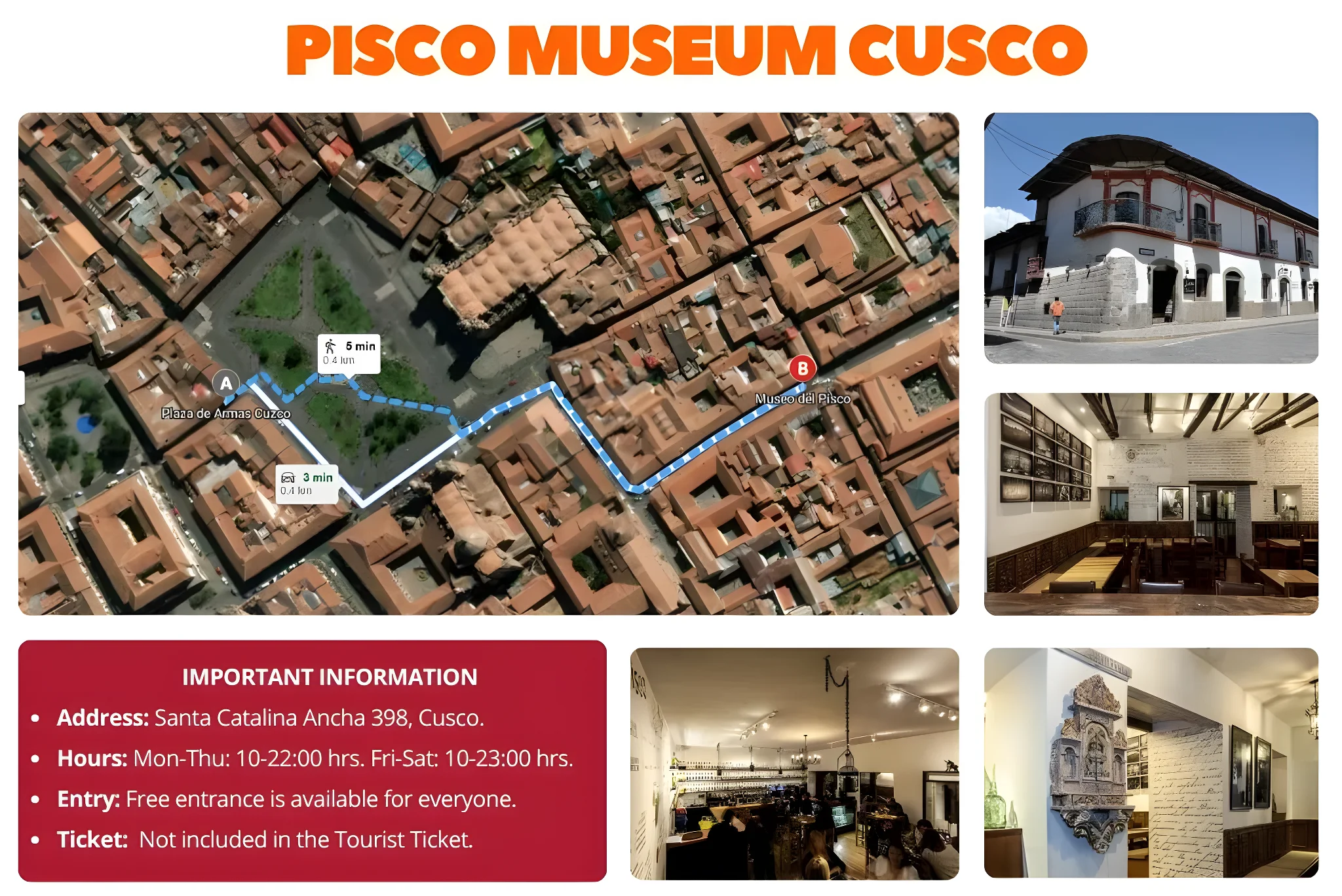
→ Museo del Pisco: More than a restaurant, it’s an experience. Here, you can enjoy innovative cocktails made with pisco, accompanied by picarones or anticuchos.
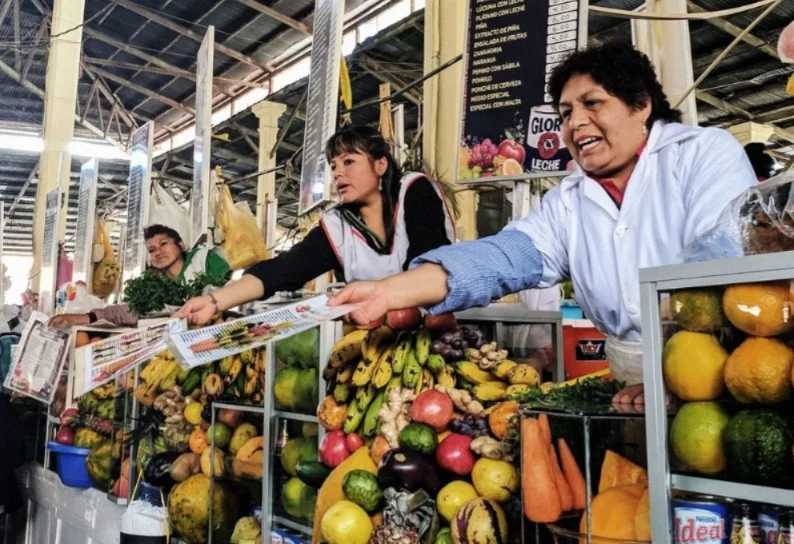
San Pedro Market: Authentic and Affordable flavors in Cusco
The San Pedro Market is the perfect place to experience authentic and affordable Cusco’s gastronomy. Here, you’ll find typical dishes like quinoa soup, roasted pork, trout ceviche, and Cusco-style tamales, prepared by local cooks who preserve ancestral recipes.
You can also enjoy traditional drinks like chicha de jora, natural juices, and coca tea. Prices are much more affordable than in tourist restaurants, making it an ideal option to try Cusco’s cuisine without overspending.

Tips before visiting San Pedro Market
• Hours: Visit between 8:00 a.m. and 1:00 p.m. to enjoy the freshest dishes.
• Hygiene: Choose clean stalls with good hygiene to avoid issues.
• Explore: Wander around and try different stalls for a variety of flavors.
• Cash: Bring cash in local currency (soles), as many stalls don’t accept cards.
• Altitude Sickness: If it’s your first day in Cusco, avoid overeating and opt for light meals.
Tips for enjoying the Gastronomy in Cusco
• Book in Advance: Popular restaurants fill up quickly, especially during high season (June to August).
• Try Local Markets: The San Pedro Market is a must-visit for authentic dishes at affordable prices.
• Take Advantage of Tastings: Many restaurants offer tasting menus that allow you to try several dishes.
• Don’t Forget the Altitude: Cusco is over 3,400 m.a.s.l., so eat lightly in your first few days to avoid altitude sickness.

The gastronomy in Cusco in 2025 is a perfect blend of tradition and innovation, where ancestral flavors meet modern techniques to create unique experiences. Whether you’re looking for a luxury restaurant or authentic street food, Cusco has something for everyone. At Kantu Peru Tours, we hope you enjoyed this blog, and if so, don’t forget to give it a like and share it with other travelers. Bon appétit and enjoy this culinary journey through the navel of the world! 🌍✨





No comment yet, add your voice below!