
The orchids of Machu Picchu and its surroundings are a true natural treasure that captivates those who have the opportunity to admire them. It is estimated that there are around 2,800 botanical species in the region, including nearly 300 species of orchids spread across about 60 genera, further enriching its tourist appeal. Viewing these fascinating flowers has become a must-do activity for nature and biodiversity enthusiasts.
In this blog, we take you on a tour of the best places in Machu Picchu, the Inca Trail, and Aguas Calientes where you can see orchids, explaining which species you can find, their characteristics, and the best recommendations to enjoy them without missing any details. Whether you explore the gardens of Machu Picchu Pueblo or venture along the Inca Trail, this blog from Kantu Perú Tours will serve as a guide to help you learn more about the unique flora of the area, especially the native orchids that enhance this World Heritage site.

Climate and Life zones in Machu Picchu
Machu Picchu is located in a semitropical climate zone, thanks to its position in the high mountains that blend with the lowland jungle plains. This fascinating archaeological site, situated atop a mountain, acts as a link between the Andes and the high jungle of Cusco. Its climate, with temperatures ranging from 8°C to 22°C, is characterized by rainfall, especially during the rainy season, which runs from late November to early March. During this time, rains and dense fog favor the growth of some orchids, while the dry season is ideal for others.
These climatic variations create a perfect environment for the growth of orchids and other life species, providing the necessary conditions for their development. Additionally, the biological richness of the region is supported by the creation of natural conservation areas driven by the presence of Machu Picchu.

How to recognize Orchids in Machu Picchu
The orchids of Machu Picchu are one of the natural wonders that adorn this impressive archaeological site. With their incredible diversity and beauty, these plants have perfectly adapted to the Andean climate. If you are visiting the area and want to learn how to identify the native orchids, there are some key features that will help you recognize them. Below are the key characteristics to identify orchids:
1. Column: The flower has a structure called a “column,” which combines both the male and female parts.
2. Pollinia: The pollen is grouped into structures called “pollinia,” which are shaped like small testicles.
3. Small Seeds: The seeds are tiny and depend on fungi to grow.
4. Asymmetrical Flowers: Orchids have six parts, with a prominent petal called the labellum.
5. Resupination: The ovary rotates 180º during growth, making the flower appear upside down.
6. Velamen: Epiphytic orchids have roots covered by a spongy layer that helps store water and nutrients.

How do Machu Picchu Orchids Grow?
Monopodial: Orchids in Machu Picchu
Some orchids in Machu Picchu grow in a monopodial way, a growth pattern where a single main stem grows upward, similar to a tower, with leaves and flowers emerging along the stem, primarily at the top. This growth pattern is characteristic of orchids in Machu Picchu, such as Phalaenopsis, Vandas, and Vanilla. Often, the flowers appear between the leaves, creating a very elegant and vertical shape, although on rare occasions, the stem may branch.
Monopodial orchids require special attention because they cannot retain much water. Additionally, they often have aerial roots that absorb moisture from the air, making them adaptable to the humid environments of Machu Picchu. An interesting characteristic of these plants is that small plantlets grow along the stem, allowing them to multiply, although this is not always easy to achieve without experience.

Sympodial: Orchids in Machu Picchu
Orchids in Machu Picchu that grow sympodially develop differently from monopodial ones. Their growth starts from a rhizome that grows parallel to the substrate. From this rhizome, new shoots emerge each year that help store water and nutrients. This type of orchid is common in species like Cattleya, Laelia, and Oncidium, and produces flowers from the base of the leaves, creating a vibrant display that repeats each cycle as the rhizome generates a new shoot.
Sympodial growth is easier to propagate than monopodial growth, as it only requires cutting the rhizome into pieces containing several pseudobulbs and a developing shoot. This ability to propagate makes sympodial orchids in Machu Picchu easier to spread, and once they have flowered, the old pseudobulbs wither, giving way to new shoots, keeping the life cycle continuous and adapted to the conditions of their environment.

Machu Picchu Orchids’s Habitat
Machu Picchu is a place full of biodiversity, and its orchids are no exception. You can find a wide variety of orchids in Machu Picchu that grow in different types of habitats, each adapted to its environment. Here’s how to recognize them based on where they grow and some examples of species you can find at this archaeological wonder:
1. Saxicolous (Rupicolous or Lithophytic): These orchids grow on rocks and cracks in stones or rocky terrain. They prefer a substrate with crushed stone, charcoal, and pebbles. A good example is Stenoptera sp., Laelia lucasiana, which can be found in the rocky areas of Machu Picchu.
2. Humicolous: These orchids grow on the ground, typically in forested areas with leaf litter and decomposing organic matter. A good example is Chloraea alpina, which grows in cooler areas like Huayna Picchu or Machu Picchu Mountain.
3. Epiphytic: These orchids in Machu Picchu grow on other plants, such as trees, but do not extract nutrients from them. They prefer lightweight substrates like pine bark, moss, or tree fern. Epidendrum paniculatum, Phalaenopsis amabilis, and Dendrobium are examples of orchids in Machu Picchu.
4. Terrestrial: These orchids grow in the soil, much like many other plants, and require a lightweight substrate, such as sand and organic matter. An example of a terrestrial orchid in the area is Aa sp. or the Bamboo Orchid (Arundina graminifolia), which can be found in soils with high moisture content.

Types of Orchids in Machu Picchu
The orchids in Machu Picchu are one of the natural treasures that enrich the biodiversity of the area. Thanks to the unique microclimate offered by the region’s cloud forests, a wide variety of species can be found both within the citadel and its surroundings. Below, we present some of the most notable species you can observe during your visit, along with their main characteristics.
Inti Punku (Sun Gate)
The trail to Inti Punku is an excellent place to find orchids in their natural habitat. Some of the species you can see in this area include:
1. Cyrtochilum: These orchids have large flowers with a very complex structure, often in yellow, orange, and red hues, frequently with dark spots. They thrive in the cool, humid climates typical of Machu Picchu’s cloud forests.
2. Encyclia: Known for their bright and aromatic flowers, Encyclia orchids feature wide petals and a distinctive lip shape that attracts pollinators. Their colors can vary from green and white to purple and yellow.
3. Maxillaria: These orchids are characterized by their small yet fragrant flowers, ranging in color from white to yellow and orange. They are highly adaptable and thrive in warm, humid areas.
4. Elleanthus turturaceus: Named for the peculiar pattern of their flowers, which resemble bird feathers, these orchids typically bloom in shades of purple and lilac.
5. Oncidium: Known for their small, butterfly-shaped flowers, Oncidium orchids are typically yellow or orange with spots. They are extremely popular for their resilience and the large number of flowers they produce.

Machu Picchu Archaeological Complex
Within the citadel, orchids continue to beautify the landscape. Some species you can find include Encyclia vespa Alliance, with bright flowers in yellow, green, and red; Masdevallia karineae, in purple and lilac tones; Bletia mandoni, with delicate white and pink flowers; Sobralia satigera, with large white flowers tinged with purple; and Masdevallia veitchiana, with reddish-orange flowers and an attractive fragrance. You will see other orchids along the way like:
1. Dichae: These orchids have bell-shaped flowers that can be green, white, or yellow, and typically grow in large clusters. They are found in cool, shaded areas.
2. Spiranthes: Known as “spiral orchids,” these species feature flowers that are arranged in a spiral along a long stem. The flowers are usually white or pink, and the spiral growth is a unique characteristic.
3. Oncidium: As in Inti Punku, the Oncidium orchids in Machu Picchu display their iconic yellow, orange, and brown flowers, with a distinctive butterfly shape that makes them easily recognizable.
4. Xilobium: These orchids have star-shaped flowers, often white, with a colorful lip that stands out. They grow in the humid, shaded areas of the cloud forests.
5. Stanhopea: Stanhopea orchids are known for their large, vibrant flowers, which can be white, yellow, orange, or purple. Their uniqueness lies in their intense fragrance and the peculiar way their flowers open at an angle.

Types of Orchids in the Inca Trail
The Inca Trail is one of the most iconic routes in Peru, not only because of its history but also due to the biodiversity it harbors, especially orchids. Along the journey, from Phuyupatamarca to Wiñaywayna, you can enjoy an impressive variety of orchid species that bloom in the different climatic and ecological zones of the trail. Here, we present some of the most notable species you can find in each section of the trek, whether you take the “Classic 4-Day Inca Trail” or the “Short 2-Day Inca Trail“:
Phuyupatamarca
In this part of the Inca Trail, famous for its breathtaking views and archaeological remains, you will be able to observe the following orchids while enjoying the natural beauty of the area:
1. Oncidium: These orchids have butterfly-shaped flowers in colors ranging from yellow to orange. They are easily recognizable due to their distinctive patterns and pleasant fragrance.
2. Epidendrum mancun: With flowers in red and yellow tones, the Epidendrum is known for its resistance to various climatic conditions. Its shape and color make it stand out along the trail.

Runkuracay
A key archaeological site on the Inca Trail, located on a hill with stunning panoramic views. This ancient resting place and military control point offers rich biodiversity in its surroundings, where you can find orchids like:
1. Maxillaria floribunda: This orchid produces clusters of small yellow flowers with dark spots. It is common in the humid, shaded areas of the cloud forest.
2. Odontoglossum: With large, decorative flowers, this orchid has petals that are usually white or yellow with red or purple spots. It thrives in cool, humid climates, perfect for this section of the Inca Trail.

Intipata
In Intipata, known for its impressive agricultural terraces, you can find several species in the mountainous environment, such as Odontoglossum lacerum with delicate flowers, and others like:
1. Pleurothallis: These orchids have small but very delicate flowers, with colors ranging from white, yellow, to green.
2. Stelis: Known for its tiny flowers in clusters, the Stelis presents colors ranging from white to purple.
3. Telipogon: With small flowers in purple or lilac tones, Telipogon is an epiphytic orchid that grows in cooler, shaded areas.
4. Elleanthus amethystinus: This genus has striking purple flowers, making them stand out among other species.
5. Epidendrum: Just like in Phuyupatamarca, Epidendrum is also found here, with its bright-colored flowers and attractive shapes.

Wiñaywayna
This area is one of the most biodiverse on the Inca Trail and is home to a wide variety of orchids that you can see along the way, such as Odontoglossum, Masdevallia veitchiana, Bletia catenulata, Encyclia bennetti, Habenaria, and Epidendrum secundum, each with unique characteristics that enrich the biodiversity of this amazing place, along with others like:
1. Cyrtochilum: Its large and complex flowers, which can be yellow or orange, are highly appreciated for their beauty and resilience.
2. Pleurothallis: Like in Intipata, you’ll also find this orchid here with small but striking flowers, ranging from white to purple.
3. Ponthieva: With small flowers, often in pink or purple tones, Ponthieva is ideal for the shaded areas of the cloud forest.
4. Stelis: Known for its spiral shape, Stelis is common in this area, providing a display of tiny but beautiful flowers.
5. Lycaste locusta: With large, vibrant flowers in yellow and red, Lycaste is easy to identify by its distinctive shape and size.

Where to see orchids in Aguas Calientes?
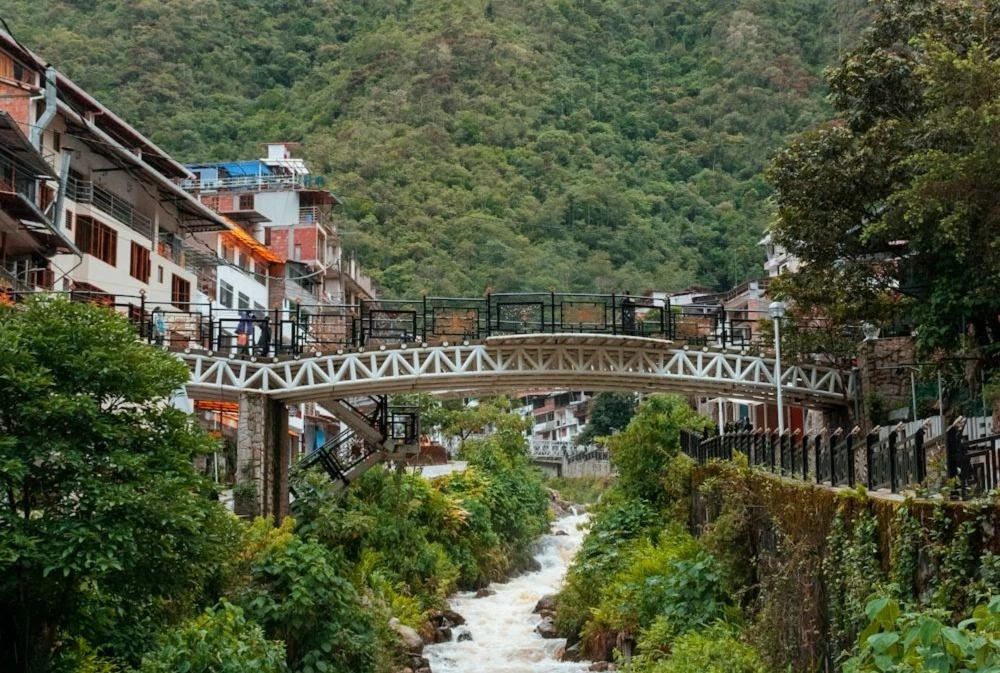
If your visit to Machu Picchu takes you to Machu Picchu Pueblo (Aguas Calientes), you’ll have the opportunity to explore and enjoy the beauty of orchids in their natural habitat. This small but picturesque town, located in the heart of the Urubamba Valley, offers several species of orchids in its surroundings, particularly in areas near the river and the cloud forests surrounding the town.
One of the best areas to see orchids is the Aguas Calientes Trail, which connects the town to the train station. Along this route, you can observe native orchids like Masdevallia veitchiana (known as “Waqanki”), famous for its bright-colored flowers and cultural significance. It’s also common to see species of Dendrobium and Cattleya, which thrive in the humid, shaded vegetation of the region.
Orchid garden at Inkaterra Hotels
If you’re an orchid enthusiast, already did any Machu Picchu Circuits and have free time during your visit, Inkaterra Machu Picchu Pueblo Hotel is the ideal place to explore. This hotel houses an impressive collection of native orchids, carefully studied and preserved by experts like Benjamin Collantes, the lead researcher at Inkaterra Asociación, who has been key in preserving these species.
For 2024, Inkaterra Asociación launched a luxury editorial project: a collector’s book presenting over 420 species of native orchids from Machu Picchu. Additionally, the association conserves 372 orchid species in the hotel’s gardens, considered by the American Orchid Society to be the largest collection of native orchids in their natural habitat.

Cultural significance of the “Waqanki” Orchid
The orchid Masdevallia veitchiana, known as “Waqanki,” is one of the most beautiful species in the region and holds significant cultural value. During the Inca period, especially at Machu Picchu, this flower was considered a symbol of social status. It was said that only noble women or the virgins of the Sun could wear this orchid at special events as a mark of their rank. Thus, Waqanki was not just part of the local flora, but also had ceremonial and social meanings.
This orchid can be found along the Inca Trail, but also grows near the main entrance to Machu Picchu, making it one of the most accessible species for travelers that do a full day Machu Picchu Trip. With its striking reddish-orange colors, Waqanki captivates with its beauty and is easy to admire while exploring the site. Be sure to keep an eye out for this flower during your visit, as you’ll likely want to photograph it and take a piece of Machu Picchu’s cultural history with you!

Importance of Orchids in Machu Picchu
The orchids of Machu Picchu are essential for evaluating the health of the cloud forests that host them, as they are very sensitive to climate change. These plants, which require specific humidity, temperature, and constantly moist soil conditions, serve as natural indicators of climatic alterations. A change in these conditions could severely affect their growth, and with it, the local biodiversity.
To protect these species, Machu Picchu has adopted a sustainability approach, such as promoting the “carbon-neutral tourism district.” Organizations like Inka Terra Asociación, along with universities and national agencies, have been working since 1978 on orchid conservation and their environment, creating species inventories and protecting pollinators. These initiatives help preserve the ecosystem and support the region’s sustainable development.

Recommendations for Orchid Watching
1. Visit Machu Picchu pueblo (Aguas Calientes): If you prefer a more relaxed experience without the time constraints, Machu Picchu Pueblo is an excellent place to spot orchids. Nearby parks, such as the Inkaterra Orchid Garden Association, are ideal for observing different local species in their natural habitat. You can stroll through peaceful trails, enjoying the beauty of orchids without the rush of the citadel’s schedule.
2. Explore the trails near Machu Picchu: While access to the citadel and Inca Trail is restricted and requires a specific ticket, there are several trails outside the archaeological zone where you can enjoy orchid sightings, such as Machu Picchu Mountain or Huayna Picchu, with an additional ticket.
3. Plan your visit during the rainy season: The wet season (from November to March) is when the flora, including orchids, is in full bloom. This is the best time to find orchids in both Machu Picchu and Machu Picchu Pueblo, where the humid climate and lush vegetation flourish in all their glory.
4. Hire a specialized guide for more insights: While you can spot orchids on your own, a local guide specializing in the flora and fauna of the area will offer added value. They know Machu Picchu circuits, the best spots and specific orchid species found around Machu Picchu and can explain the history and ecology of each plant.
5. Explore the Machu Picchu archaeological park: If you’re in the Machu Picchu citadel, keep in mind that access is limited, and you can only visit with a ticket for the corresponding circuit. However, around the citadel and at panoramic points, you can still spot some orchid species growing on nearby rocks and trees.
6. Wear comfortable clothing and proper gear: Whether exploring Machu Picchu Pueblo or the citadel, it’s important to wear lightweight clothing and proper footwear for walking on uneven terrain. Trails can be steep and slippery, so make sure you’re prepared for a comfortable walk in the Inca Trail.
7. Respect the natural environment: Remember that both in Machu Picchu Pueblo and the citadel, orchids and the flora in general are part of a protected ecosystem. Do not damage the plants or pick flowers. Observe and photograph while respecting the natural space of the orchids.
8. Don’t forget your camera: Whether in Machu Picchu Pueblo or within the citadel, the orchids are spectacular, and it’s worth capturing them in photos. Bring a camera with good resolution or a smartphone to document the diversity of colors and shapes of the orchids, which are a natural treasure of the region.

The orchids of Machu Picchu and its surroundings are not only a natural treasure but also a reflection of the incredible biodiversity that this region holds. From the majestic Inca Trail to the gardens of Aguas Calientes, every corner offers a unique opportunity to admire these exceptional flowers. By exploring these landscapes, you will not only enjoy the beauty of the orchids but also the cultural and ecological richness that makes Machu Picchu a one-of-a-kind destination in the world.
Thanks to Kantu Peru Tours, you now know everything you need and where to see orchids wether you do the Inca Trail or explore Machu Picchu Cotadel. If you liked this blog, give it a like and share it with more travelers! If you have any questions or need help planning your trip to Peru, don’t hesitate to contact us, just remember to be respectful of the natural environment, as the preservation of these species is crucial to maintaining the balance of local ecosystems. ✈️🏔️🦙





No comment yet, add your voice below!