
Cusco, the ancient capital of the Inca Empire, is a city that lives and breathes tradition throughout the year. Every month, the streets, squares, and communities of Cusco are filled with color, music, and rituals that reflect the region’s rich cultural heritage. From solemn religious festivals to vibrant popular celebrations, Cusco festivities offer a calendar full of unique events that attract both tourists and locals alike. From Kantu Peru Tours, we invite you to explore, month by month, the most prominent festivals in Cusco in 2025, where you can immerse yourself in an experience full of history, spirituality, and culture.
Cusco festivities in January 2025
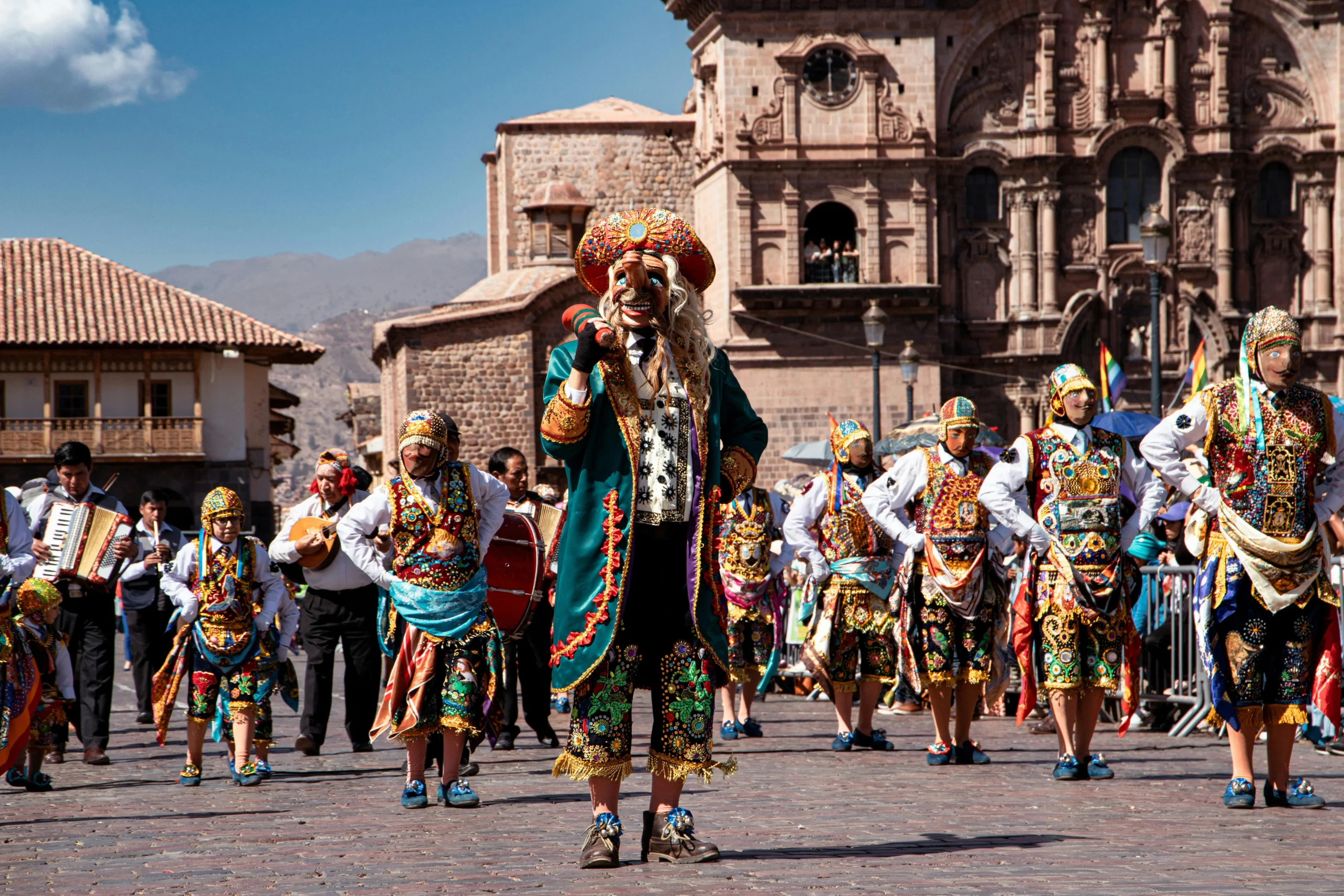
January in Cusco marks the start of the year with a rich blend of celebrations that reflect its Inca heritage and colonial traditions. This month offers a unique opportunity to explore rituals that have endured for centuries, combining spirituality, community, and joy.
New Year’s Celebration in Plaza de Armas (January 1st)
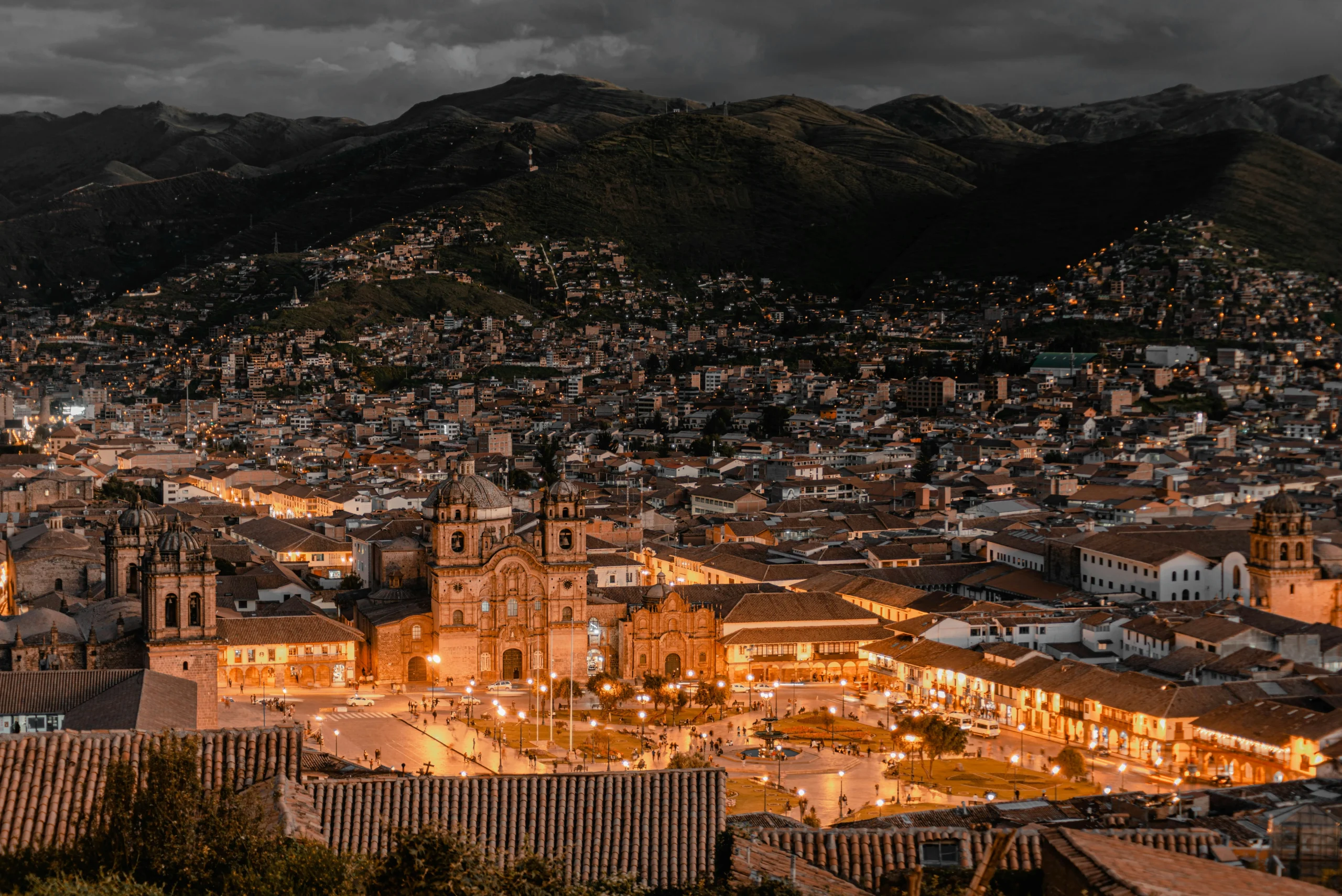
If you plan to celebrate New Year’s Eve in Cusco, the Plaza de Armas is the place to be. This event blends modern festivities with traditional elements as locals (Cusqueños) and visitors gather to welcome the new year. The celebration includes live music sponsored by the regional government and vibrant fireworks displays. Historically, this sacred space was the site of ceremonies during the Tahuantinsuyo era, adding cultural significance to the modern festivities.
- Note: A popular local custom is to walk around the Plaza de Armas at midnight to ensure good luck for the coming year.
Swearing-in of the “Varayoc” (January 1st)
In the historic town of Chinchero, known as the “Birthplace of the Rainbow” and located 45 minutes from Cusco on the way to the Sacred Valley, the Varayocs (traditional authorities) take office in an ancestral ceremony. This event, featuring the symbolic handover of ceremonial staffs that represent power and responsibility, showcases the enduring dual governance system of state and community. Held at the town’s archaeological complex, this early-morning event offers a fascinating glimpse into the social hierarchies and traditions of the Inca past that still resonate today.

Feast of the Lord of Calvary (January 3rd)
On this day, the Cathedral in Cusco’s Plaza de Armas hosts a religious celebration honoring the Lord of Calvary, a venerated figure since colonial times. The image resides in the Church of Triumph, formerly the “Sunturwasi” or “Kiswar Cancha” during the Inca Empire. A solemn mass, accompanied by traditional dances, highlights the deep devotion of the locals. This event provides a unique perspective on how Christianity adapted to Andean beliefs, creating a distinctive expression of faith.
Procession of the Three Wise Men (January 6th)
This celebration takes place in the provinces of Anta and Ollantaytambo, both about two hours from Cusco by car. In Ollantaytambo, a key departure point to Aguas Calientes and Machu Picchu, the festivity merges the Christian Epiphany with Andean traditions. The celebration features processions of the Three Wise Men, accompanied by music and dances celebrating community unity and abundance. Set amidst Ollantaytambo’s archaeological sites, the event offers a magical blend of history, spirituality, and culture.

Ritual Combat or Chiaraje (January 20th)
Though not commonly included in standard tourist packages, the Chiaraje is a fascinating tradition celebrated in the highland province of Canas, about 7 hours from Cusco. This ritual dates back to pre-Hispanic times and aims to ensure the fertility of the land through ceremonial combat. Participants from the Quewe and Langui communities, dressed in traditional attire adorned with flowers, use slingshots to reenact ancient territorial disputes over water and land for farming. For anthropology enthusiasts, this is a rare opportunity to connect with Andean cosmology and witness a ritual that embodies balance with nature and the warrior spirit of the locals—once symbolized by the revolutionary hero Túpac Amaru II.
Feast of San Sebastián (January 20th)
San Sebastián, the patron saint of this district located just 15 minutes from Cusco’s historic center, is celebrated with one of the month’s most vibrant festivities. Over four days, the streets come alive with parades featuring over 25 traditional dances, from the energetic steps of the Saqras to the colorful choreography of the Qhapaq Ch’unchus, all performed in devotion to the saint. Visitors can also enjoy a gastronomic fair showcasing dishes like the famous Chiriuchu, symbolizing Cusco’s cultural diversity. If you have time to spare, this is an excellent opportunity to immerse yourself in local traditions and flavors.
Cusco festivities in February 2025
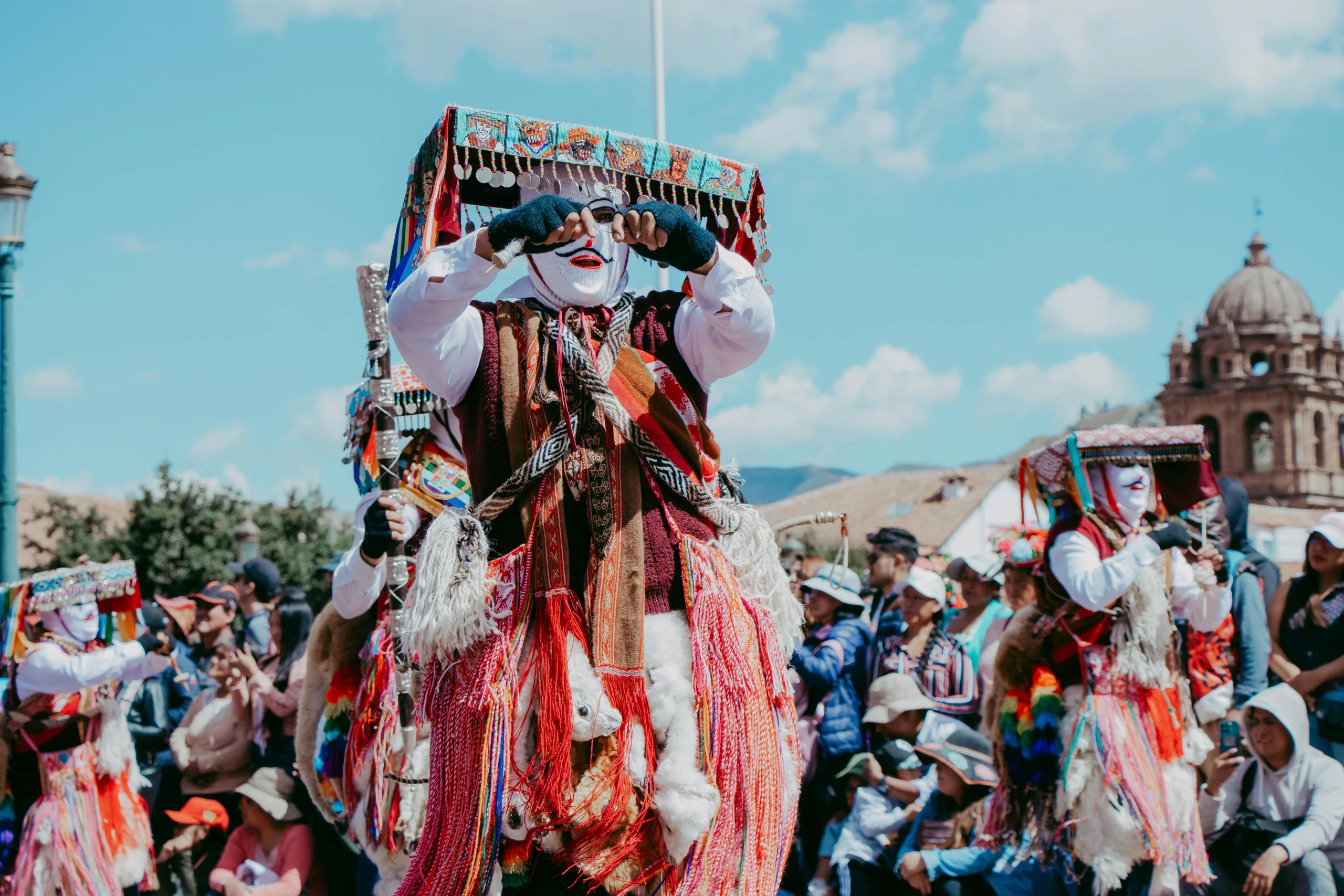
If you plan to visit Cusco in February, get ready to experience one of the region’s most vibrant and authentic months. This time of year blends ancestral traditions with contemporary festive expressions, filling the streets with music, colors, and joy. From solemn ceremonies to ritual battles and lively carnivals, February is the perfect time to immerse yourself in the rich cultural heritage of the Andes.
Toqto Battle (February 2nd)
About 7 hours from Cusco’s city center, in the remote location of Toqto, nestled between the districts of Yanaoca and Livitaca, one of the Andes’ most awe-inspiring traditions takes place. Over three days, local communities reenacted ancient battles that once determined access to land and resources.
1st. Day: Families arrive and prepare the rugged terrain, a landscape of stones and mountains that will soon become the battlefield.
2nd. Day: Individual duels begin, escalating to group combat on the third day.
3th. Day: Massive clashes between communities take place. The festivities end with the “Qhaswa”, a grand celebration where winners and losers share food and drinks as a symbol of unity and reconciliation.
- Note: While women can watch the battle, tradition dictates they must not enter the battlefield.

Feast of the Virgin Purified (February 2nd)
This religious celebration, honoring the day of Candlemas, takes place at the San Pedro Church, just a 5-minute walk from Cusco’s Plaza de Armas. The Virgin Purified is venerated through processions and solemn masses, accompanied by traditional dances that merge Andean and highland influences. It’s also a great opportunity to visit the San Pedro Market, which is famous for its local crafts and lively atmosphere.

Festival of the Sweet Name of “Jesus” (February 3rd)
The charming San Blas neighborhood, located about a 10-minute walk from the Plaza de Armas, becomes the center of this celebration honoring its patron saint. Known for its cobblestone streets, bohemian vibe, and artisan shops, San Blas comes alive with special masses at its main church, followed by traditional dances, music, and cultural activities that reflect the artistic identity of the area.
Day of the Compadres (February 27th)
The Day of the Compadres is a festive event filled with humor and tradition, celebrated on the Thursday before Carnival Sunday. Across Cusco’s neighborhoods, compadres (key figures in Andean family and community relationships) are honored with music, food, and playful jokes. This event marks the start of Carnival celebrations and emphasizes the importance of friendship and unity. Don’t be surprised to see male-themed piñatas displayed around Cusco, especially near the Art University of “Diego Quispe Tito”, where you can often find creative and humorous allegories on display.

Cusco festivities in March 2025
March in Cusco is a month of colorful celebrations that blend tradition, joy, and spirituality. From the humor of the Day of the “Comadres” to the vibrant Carnival Cusqueño and the solemnity of Ash Wednesday, each festivity reflects the region’s rich culture and unique spirit.
Comadres’ Day (March 6th)
Similar to the previously mentioned Day of the Compadres, one of the central elements of this traditional celebration in Cusco are the “monigotes” or satirical dolls, which represent the comadres. These dolls are made from old clothes, straw, paper, and exaggerated accessories. They are hung on balconies, posts, or squares, accompanied by humorous signs that highlight, in a comical way, anecdotes or characteristics of the women being honored. This day is a showcase of the local population’s creativity and humor, celebrated in all the neighborhoods of Cusco, creating a festive atmosphere full of laughter.

Cusco’s Carnival (March 9th)
The Cusco Carnival has its roots in the colonial era, when European Carnival traditions merged with Andean rituals dedicated to Pachamama, the earth goddess, to give thanks for the abundance of the harvest. This syncretism gave rise to a unique celebration in Cusco, reflecting the region’s cultural identity, combining expressions of faith, humor, and creativity.
Carnival is a time for fun and relaxation in Cusco, with a special character in the Plaza de Armas, where thousands of people gather to play with water and carnival foam spray, a tradition where anyone can freely join. Meanwhile, the city’s communities and those from the Sacred Valley gather to share dances, music, and joy. In the streets of Cusco’s historic center and nearby towns such as Pisac, Urubamba, and Chinchero, you can enjoy folk dance contests and the “Puchero” festival, a traditional lamb stew, alongside the colorful festivities that reflect the rich Andean cultural heritage.
- Note: In the Santiago district, known for its “Traditional Picanterías” in Cusco, there’s a festival in the central square where you can choose and taste these dishes.

Ash Wednesday – Beginning of Lent (March 12th)
Ash Wednesday marks the beginning of Lent in Cusco, a 40-day period of reflection and penance in preparation for Holy Week. In Cusco, this day is celebrated solemnly, with masses and religious ceremonies in the city’s churches. The faithful receive the sign of the cross with ashes on their foreheads as a symbol of humility and repentance. It is a time for reflection and spiritual preparation for the coming days, contrasting with the festive energy of the previous carnivals.
- Note: In many provinces of Cusco, such as Yanaoca, this is the last day to celebrate carnivals, regardless of whether one commits certain sins according to the Catholic Church’s concept.

Closing Sunday or End of Carnival (March 15)
Closing Sunday marks the final day of the Cusco Carnival festivities in some places, and its celebration is an explosion of joy and music. On this day, the streets of Cusco are filled with dances, music, and popular celebrations to say goodbye to the carnival before the arrival of Lent. Communities gather to share the last big party before the reflection that Holy Week will bring. It is a day to enjoy Cusco’s culture at its fullest, uniting all the inhabitants in a joyful farewell to the festivities.

Cusco festivities in April 2025
April in Cusco festivities is a month full of spirituality and tradition. It features unique festivities that reflect the region’s rich cultural heritage. Most events take place in the historic center, making it convenient for visitors seeking an authentic experience.
Palm Sunday (April 13th)
Palm Sunday marks the beginning of Holy Week in Cusco and is celebrated in all the city’s churches, especially in the Basilica Cathedral, located in the Plaza de Armas. On this day, you’ll witness locals carrying woven palm fronds adorned with flowers, grains, and fruits, which are blessed during Mass. These palms, symbolizing peace and hope, are taken home to protect the household. The main ceremony includes a procession and the Eucharistic celebration starting at 9:00 a.m.

Procession of the Lord of the Earthquakes (April 14th)
On Holy Monday, Cusco honors the Lord of the Earthquakes, or Señor de los Temblores in Spanish, the patron saint and protector of the city. This highly anticipated religious event features a grand procession of the sacred image, beginning at the Basilica Cathedral and passing through the main streets of the historic center. Thousands of faithful accompany the crucified Christ figure, revered for stopping a devastating earthquake in 1650. This celebration blends Christian and Andean traditions, such as using the ñucchu flower, which symbolizes the blood of Christ. It is an emotional and faith-filled event that visitors shouldn’t miss.

Holy Thursday (April 17th)
Holy Thursday is observed with the traditional Visit to the Seven Churches, a tour of the most iconic temples in Cusco’s historic center, including the Cathedral, La Compañía de Jesús, and San Francisco. This ritual commemorates the moments leading up to Jesus’ crucifixion. The churches, rich in history and architecture, offer a unique spiritual experience. Additionally, Cusco families prepare the traditional “12 dishes,” representing the apostles, featuring soups, stews, and desserts unique to the region.

Holy Friday (April 18)
On holy Friday, the faithful participate in the Stations of the Cross, beginning at San Francisco Square and ending at the Pope’s Cross in Sacsayhuamán, just 20 minutes from the historic center. This event symbolizes Jesus’ journey to Calvary. In the evening, the Basilica Cathedral hosts the Procession of the Holy Sepulcher and Our Lady of Sorrows, a solemn commemoration of Christ’s sacrifice.

Easter Sunday (April 20th)
Holy Week concludes with Easter Sunday, celebrating Christ’s triumph over death. A solemn Mass and procession take place at the Basilica Cathedral and through the streets of the historic center. After the religious events, the streets come alive with the scents of traditional dishes like chicken soup, tamales, and local sweets, ending the festivities with joy and flavor.
Cusco festivities in May 2025
May in Cusco is a month of festivities that blend religious devotion and ancestral customs with celebrations full of music, dance, and gastronomy. During this month, visitors have the opportunity to immerse themselves in the rich culture of the region through events that stand out both in the city and in the Sacred Valley.
Cruz Velacuy – Festival of the Crosses (May 3rd)
The Cruz Velacuy, also known as the Festival of the Crosses, is one of the most emblematic celebrations of Cusco and the Andean communities. This tradition has colonial roots and honors the crosses that protect families and communities.
On the night of May 3rd, vigils are held by the crosses located on hills and fields. The following day, these crosses are carried in procession to the nearest churches, where they are blessed. This event combines religious and cultural elements, with parades of traditional dances, music, and the tasting of typical dishes. Places such as the historic center of Cusco and nearby provinces come alive with this celebration, which shows the devotion and spiritual connection of the people of Cusco to their traditions.

Lord of Torrechayoc (May 19th)
The Lord of Torrechayoc is venerated in the town of Urubamba, in the heart of the Sacred Valley, with a festival that dates back to 1860. The celebration began when a cross was placed in the snow and became a symbol of faith for the community. Today, the cross, adorned with jewels, is carried in procession through the town, accompanied by fireworks, multicolored dances, and Andean music.
The festival includes activities such as bull runs, cockfights, and food fairs where visitors can taste typical dishes like roast guinea pig, humitas, and chicharrón. In Machu Picchu Pueblo, the celebration is highlighted by dance groups performing choreographies with masks and traditional clothing, representing Andean life throughout history. This festival is an unforgettable experience that combines devotion and joy.

Cusqueña Beer International Festival (End of May)
This festival is held annually in May at the Beer Garden in Cusco and is the perfect event to enjoy the historic Cusqueña beer. Founded in 1908, Peru’s most popular beer offers four varieties: Dorada, Roja, Trigo, Quinoa, and Negra. In addition to beer tastings, the three-day festival includes live music by local and international artists, creating a festive and flavorful atmosphere. It is a must-attend experience for beer lovers and those who enjoy great music!

Cusco festivities in June 2025
June is a month filled with festivities in Cusco, where the connection to Andean traditions and contemporary celebrations intertwine in a series of rituals and events.
Renewal of the Q’eswachaka Bridge (June 8th to 11th)
The Renewal of the Q’eswachaka Bridge is an ancient tradition celebrated every June, where the Quechua and Ausangate communities come together to rebuild a rope bridge over the Apurímac River. This bridge, made of ichu grass, is reconstructed using traditional techniques and indigenous materials as part of a celebration of community cooperation and respect for Pachamama. During this ritual, offerings and religious ceremonies are performed to preserve both the infrastructure and the cultural identity of the Andean communities.

Lord of Qoyllority (June 15th to 18th)
The Lord of Qoyllority festival is one of the largest and most revered in the Andean region. Every year, thousands of pilgrims trek to the Qoyllority Sanctuary, located on the snow-capped Ausangate Mountain, in a challenging journey that lasts several days. The pilgrims, known as “souls,” are accompanied by groups representing different “nations” or provinces from Cusco, performing dances and rituals that blend the worship of Christ with beliefs in the sacred “apus” (mountains). This celebration holds great spiritual and cultural significance, culminating in a climb to the glacier, which is only undertaken by the “Pablitos” or “Ukumaris” of each nation, all male participants who make this additional trek to reach the Lord of Tayanqani.

Corpus Christi (June 19th)
Corpus Christi in Cusco is one of the most important processions on the Catholic calendar. The celebration involves the arrival of images of saints and virgins from the city’s parishes and nearby communities, carried in procession to the Cusco Cathedral. During the event, folkloric dances are performed, and chiriuchu, a traditional cold dish from Cusco, is served along with other local delicacies such as chicharrones (fried pork) and anticuchos (skewered meat). These delicious treats can also be sampled at the San Pedro or San Francisco markets, where festivals dedicated to this Andean delicacy take place. This festival combines religious devotion with popular joy, highlighting the cultural richness of Cusco.

Parades and Civic celebrations (June 9th to 22nd)
Throughout June, Cusco is filled with color and life through various parades and celebrations. From the Dance Parade (June 9th to 20th), with performances by educational institutions from primary, secondary, technical schools, and higher education institutions, showcasing the vibrancy and color of regional dances, to the Fine Arts School Parade Cusco (June 19th), with allegorical representations of Cusco’s culture.
- Note: If you wish to attend these parades and dance competitions, be sure to arrive early at the Plaza de Armas to reserve a seat. It is completely FREE, but seating is limited.

Inti Raymi or Festival of the Sun (June 24th)
The Inti Raymi, or Festival of the Sun, is the most important celebration of Andean culture and takes place in Cusco on June 24th in honor of the Sun God, Inti. This ceremony commemorates the ancient Inca ritual of the winter solstice and attracts thousands of visitors from all over the world. The celebration includes a theatrical representation in the Plaza de Armas and Sacsayhuamán, where over 700 actors reenact ancient rituals of thanksgiving to the sun, marking the beginning of a new agricultural cycle. The festival, blending Inca culture with modern theatricalization, is one of the grandest expressions of Cusco’s identity.
- Note: If you are a foreign visitor, you must purchase a special ticket for seats at the central theatrical performance. Click here to check your ticket purchase for Inti Raymi.
Cusco festivities in July 2025
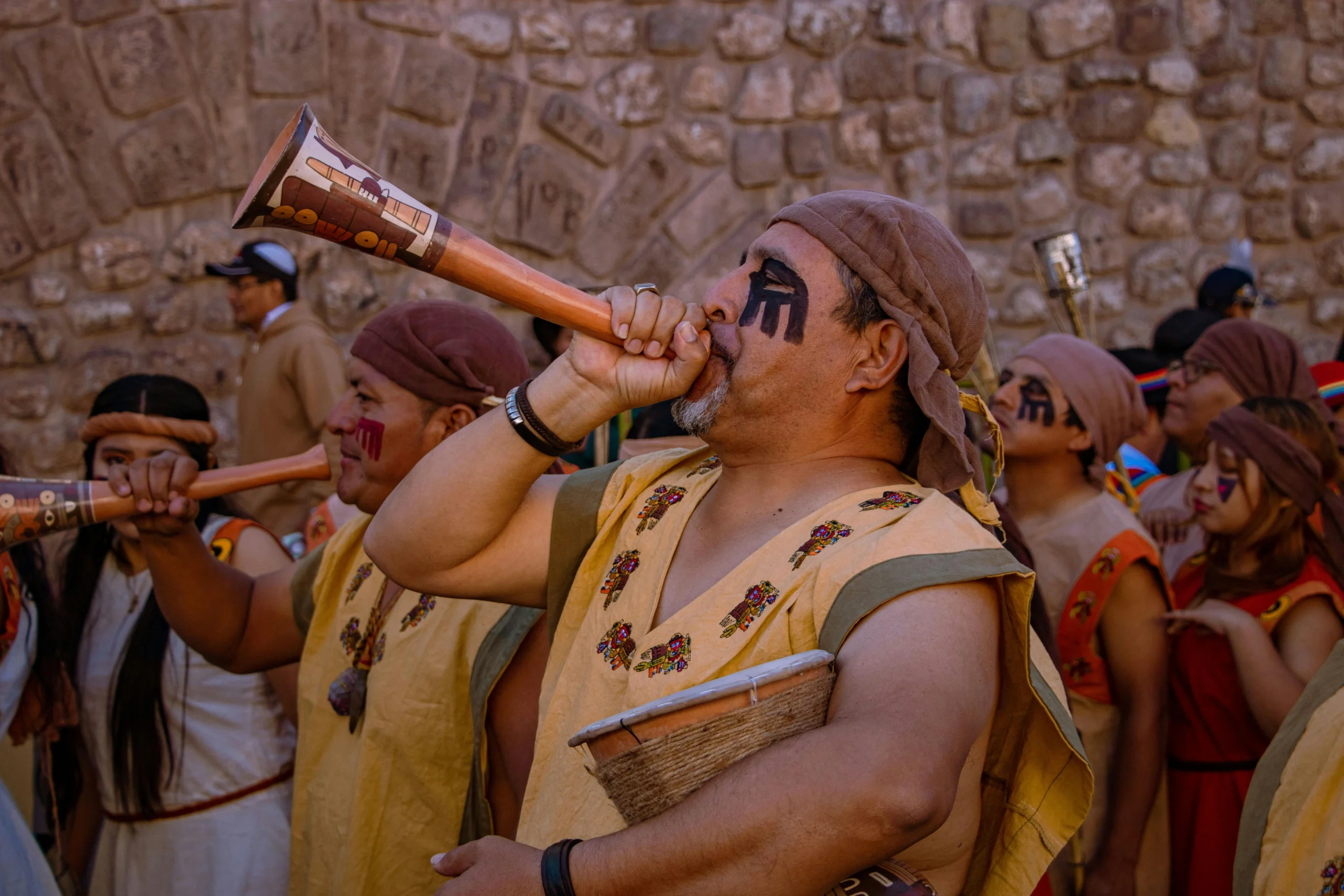
July is a month of vibrant celebrations in Cusco, where religious devotion and ancestral traditions come together. From the festivities of the Virgin of Carmen in nearby towns to the anniversary of Machu Picchu, travelers can enjoy processions, dances, and festivals that reflect the rich Andean culture.
Virgin of Carmen – Paucartambo, Pisac, and Huarocondo (July 15th)
1. Paucartambo (4 hours from Cusco): The celebration in Paucartambo is the most iconic of the Virgin of Carmen. In this picturesque town, Mamacha Carmen is honored with solemn processions and colorful dances such as the Chunchos and Saqras. Over five days, there are parades, historical choreographies, and symbolic rituals like the battle against demons, creating a spectacular display full of culture and devotion.
2. Pisac (1 hour from Cusco): In Pisac, the celebration is combined with vibrant local life, including artisan fairs and markets filled with traditional products. The faithful accompany the Virgin in a procession adorned with flowers and Andean music, creating a unique atmosphere of faith and tradition in the Sacred Valley.
3. Huarocondo (1.5 hours from Cusco): In Huarocondo, community devotion is expressed through Masses, dances, and traditional celebrations, such as the burning of fireworks. This small town is famous for its sense of unity and religious fervor during the Virgin of Carmen festival.

Anniversary of Machu Picchu (July 7th)
On July 7th, Machu Picchu celebrates its anniversary, commemorating the day in 2013 when the Inca city was chosen as one of the Seven Wonders of the Modern World. The festivities take place in both Cusco and nearby Aguas Calientes, featuring massive concerts, drawing competitions, and food fairs. In Machu Picchu itself, Pachamama rituals and religious ceremonies are held, celebrating the spiritual connection with the ancient city. This event offers a chance to experience the culture and history surrounding one of the world’s greatest wonders.

Quillabamba Festival (July 25th to 29th)
The Quillabamba Festival, held from July 25th to 29th, is an annual event in the province of La Convención, located 4 hours from the city of Cusco. The celebration includes the Queen of Coffee election, competitions like cockfights, motocross tournaments, and the Cocla Fair, which features music festivals with both national and international artists. This festival is a perfect opportunity to immerse yourself in the local culture of Quillabamba, the capital of the province while enjoying its vibrant social life and traditions.

Cusco festivities in August 2025
August in Cusco is a month filled with festivities that honor Andean traditions, religious devotion, and the cultural identity of the region. From the Day of Pachamama with its ancestral rituals to other festivals throughout the month, August offers a vibrant display of the community’s connection with nature and their deep respect for their patron saints. This is the perfect month to immerse yourself in Cusco’s culture and experience the traditions that remain a vital part of local life.
“Pachamama Raymi” – Mother Earth New Year (August 1st)
Mother Earth Day, or Pachamama Raymi, is celebrated on August 1st in various locations around Cusco, marking the beginning of the Andean New Year. This Andean ritual takes place in places such as Ccatca, Maras, and Huasao, where ceremonies of “payment to the earth” are performed with offerings of coca leaves, chicha de jora (fermented corn drink), and huayruro seeds. These festivities pay tribute to Pachamama, Mother Earth, and celebrate the spiritual connection of the communities with nature. On this day, you can connect with nature in iconic places such as Machu Picchu or other locations in the region.
- Note: If you take a tour of the Sacred Valley, in Chinchero you will find houses and streets with yellow mistura, along with the scent of incense, as part of the New Year Earth Day celebration.

Feast of Santa Rosa de Lima (August 30th)
The Feast of Santa Rosa de Lima, celebrated on August 30th, is an important event for the police in Cusco. Santa Rosa is the patron saint of the police, and the celebration includes a series of solemn acts in her honor. During this festival, Masses, processions, and official ceremonies take place, attended by police officers and the local community. It is an opportunity to honor those who protect and serve the community while celebrating the figure of Santa Rosa as a symbol of devotion and sacrifice. The procession for this celebration starts from the police station and moves along Avenida Sol in the historic center of Cusco, where you can freely witness the devotion to the Holy Virgin.

Cusco festivities in September 2025
September is a month filled with religious fervor and traditional celebrations in Cusco, with festivities reflecting devotion to patron saints and spiritual figures of great significance for the region. From the Lord of Huanca in the district of San Salvador to the veneration of the Patron Saint San Jerónimo, this month is marked by processions, pilgrimages, and rituals that unite local communities and visitors in an expression of faith and culture.
Feast of the Virgin of the Nativity (September 6th to 12th)
1. Almudena (20 minutes from Cusco): In Almudena, the Feast of the Virgin of the Nativity includes processions, traditional dances, Masses, and offerings. The community unites with great devotion to honor the Virgin, strengthening their religious and cultural identity. You can witness this devotion through the dance parades from the Cathedral to Almudena.
2. Chinchero (45 minutes from Cusco): In Chinchero, the feast is celebrated with dances and Andean music in honor of the Virgin of the Nativity. It is a festival of great importance to the community, highlighting local devotion and the bond with their traditions. Here, you can enjoy the full fervor of Andean culture and its gastronomic fair at the archaeological park of the town.

Lord of Huanca – San Salvador (September 14th)
The Lord of Huanca, venerated at the San Salvador Sanctuary, located 48 km from Cusco, is a key figure in the region’s spirituality. His cult originated in 1675 after the appearance of an image of Christ in a cave. Every September 14th, thousands of faithful from Peru and Bolivia participate in this festival, journeying through mountainous landscapes to the sanctuary in search of protection and miracles. The festival reinforces the deep connection between religion, nature, and Cusco’s traditions.

Warachikuy (September 18th)
Warachikuy was an Inca initiation ritual that marked the transition from youth to adulthood, declaring young men fit for public functions, marriage, and warfare. It is currently celebrated annually by the “Ciencias” boys’ school, and the ritual consists of rigorous physical tests of skill, courage, and ability for 4th and 5th-year high school students. Through this rite, young men demonstrated their readiness for military and social life, being ranked according to their merits. This event, once held during the spring season at the Qhapaq Raymi, reflected the importance of competition and discipline in the Inca Empire, preparing future leaders to govern.

Patron San Jerónimo (September 30th)
The Feast in honor of Patron San Jerónimo, celebrated from September 27th to 30th in the district of San Jerónimo, located 30 minutes from the historic center, has its main day on September 30th. During this festival, the image of the patron is carried in procession through the streets of the district from the Cusco Cathedral, with dances, Masses, and celebrations in his honor. The festival strengthens the religious character of the community, with great participation from the neighbors, who celebrate their patron with fervor and joy.

Cusco festivities in October 2025
October is a vibrant month in Cusco, where various festivals are celebrated, blending both foreign and local traditions. From the growing celebration of Halloween in the Plaza de Armas to the homage to Canción Criolla, which highlights traditional Peruvian music, the October festivities offer a unique opportunity to experience the fusion of the modern and the traditional in a city rich in history and customs.
Lord of the Miracles – Purple Month (October 18th)
October 18th marks the beginning of the Purple Month in Cusco, dedicated to the Lord of the Miracles, one of the most venerated religious figures in Peru. While the main celebration takes place in Lima, Cusco also holds Masses, processions, and other activities in honor of this image of Christ, known by the faithful as the protector against adversities. The celebrations are marked by deep devotion and intensify throughout the month, with Cusqueños actively participating in liturgical acts and events related to the Lord of the Miracles.

Halloween and Day of the Criolla Song in Cusco (October 31st)
October 31st in Cusco is a day of diverse celebrations, where foreign influences and local traditions blend. On one hand, Halloween, although not originally from Peru, has been embraced by many Cusqueños. During the night, bars, nightclubs, and restaurants organize themed events with costumes, carved pumpkins, music, and dancing, especially in the Plaza de Armas. On the other hand, the Day of the Criolla Song, a national celebration of Peru, is observed in places like peñas folklóricas and restaurants, with live performances of Criolla music, such as marineras and Peruvian waltzes, allowing both Cusqueños and visitors to enjoy the country’s rich musical tradition.

Cusco festivities in November 2025
November in Cusco is a month dedicated to remembrance and reflection, where religious and popular traditions merge to honor the departed. The celebrations of All Saints’ Day and Day of the Dead are moments of family unity, devotion, and tribute to loved ones. During these days, Cusco is filled with rituals, offerings, and visits to the cemeteries, keeping the spiritual connection with ancestors alive while reflecting on life and death.
All Saints’ Day (November 1st)
All Saints’ Day in Cusco is a celebration in which families come together to honor their loved ones. On this day, people visit the cemeteries to decorate the graves with flowers and candles, remembering the deceased with affection. Traditional activities are also carried out, such as the preparation of “t’anta wawa”, a human-shaped bread exchanged between families. The churches of Cusco also hold special Masses to pray for the souls of the departed.
- Note: Outside the San Pedro, San Francisco, and Santiago markets in Cusco, you can taste delicious pastries, empanadas, and “T’anta Wawa” at very affordable prices.

Day of the Dead (November 2nd)
The Day of the Dead is a continuation of All Saints’ Day, where Cusqueño families maintain the tradition of visiting their loved ones in the cemeteries. This day is marked by deep reflection on life after death. Masses and religious ceremonies continue in the churches, where prayers are offered for the eternal rest of the departed. The exchange of food and the preparation of other traditional dishes is also part of the celebration, keeping the memory of the ancestors alive.

Cusco festivities in December 2025
December in Cusco is a month full of color, tradition, and festive spirit, with two emblematic fairs that highlight the rich Cusco culture. The Tikaranticuy and Santurantikuy are celebrations that attract both locals and visitors, showcasing the best of regional crafts, plants, and folk art.
Tikaranticuy Fair (December 23rd)
Tikaranticuy, celebrated on December 23rd in Cusco, is a fair that highlights the beauty and diversity of ornamental, medicinal, and wild plants used to create nativity scenes for the birth of Jesus. During this fair, local vendors and those from many communities around Cusco display an impressive variety of plants, offering visitors a spectacle full of colors and aromas. In addition to the plants, attendees can enjoy a festive atmosphere, interact with the vendors, and purchase typical products from the region.
- Note: Most people come from very remote communities, so you can support them by interacting, buying something (it’s very inexpensive), or gifting anything you think might be needed.

Santurantikuy – Plaza de Armas, Cusco (December 24th)
Santurantikuy, celebrated on December 24th in the Plaza de Armas of Cusco, is one of the oldest and most emblematic Christmas fairs in Latin America. This event, whose name in Quechua means “sale of saints,” brings together hundreds of artisans and merchants who showcase their folk art, including nativity scenes, ceramics, textiles, and more. The nativity scenes, made from materials like ceramic, wood, and plaster, are especially popular, depicting detailed scenes of the birth of Jesus. This fair is a mix of art, culture, and spirituality that transforms the center of Cusco into a true Christmas spectacle.

Throughout 2025, Cusco will present itself as a destination full of festivals and celebrations that invite visitors to discover the essence of Peruvian culture. From the religious devotion of All Saints’ Day in November to the spectacular Inti Raymi in June, each celebration is a showcase of the life and traditions of the people. Cusco festivities like Santurantikuy and Tikaranticuy offer a perfect blend of art, gastronomy, and spirituality, solidifying Cusco as one of the most fascinating destinations for those looking to experience true Peruvian culture. At Kantu Peru Tours, we invite you to be part of these traditions and enjoy a unique and unforgettable experience.




No comment yet, add your voice below!