
Learning a few Quechua phrases in Cusco helps you connect respectfully with local communities. Start with greetings, thanks, prices, directions, and food. With just 10 minutes a day, you’ll learn the basics for a more authentic trip.
Planning a trip to Cusco, Peru, the historic capital of the Inca Empire? Learning Quechua phrases will not only help you communicate better with local communities but also allow you to immerse yourself in Andean culture in a more authentic way. In this guide, thanks to Kantu Peru Tours, we provide you with Quechua phrases, useful resources, and practical tips so you can learn the essentials before your trip.
| English | Quechua (Cusco) |
|---|---|
| Good morning | Allin p’unchay |
| Thank you | Añay |
| Please | Ama hina kaychu |
| How are you? | Imaynalla kashanki? |
| Where is the bathroom? | Maypitaq baño? |
| Sorry / Excuse me | Pampachaykuway |
| Water | Yaku |
| Food | Mikuy |
| I’m hungry | Yarqaymi |
| Delicious | Misk’i |
What languages are spoken in Peru and Cusco?
In Peru, the official language is Spanish, spoken by the majority of the population, however, the country is recognized for its linguistic diversity, with over 40 recognized indigenous languages, among which Quechua stands out, a legacy of the Inca Empire and widely spoken in Andean regions like Cusco. In this city, besides Spanish and Quechua, you might also hear Aymara, especially in communities near Lake Titicaca. This linguistic richness reflects Peru’s multiculturalism and its deep connection to its ancestral roots.

What is Quechua and where is the language of the Incas spoken?
Quechua is a family of languages spoken by over 10 million people in South America, especially in Peru, Bolivia, and Ecuador. In Cusco, Quechua is a fundamental part of cultural identity, and although there are regional variations, basic Quechua phrases are usually similar.

Why to learn Quechua phrases before your trip to Cusco?
1. Cultural connection: Quechua is an ancient language that has been passed down through generations, so using Quechua phrases shows respect for the local culture and opens doors to unique experiences.
2. Better travel experience: Saying a few words in Quechua will allow you to interact with indigenous and local communities in Cusco, as well as understand their traditions and explore less touristy places.
3. Overcoming language barriers: In rural areas of Cusco, many people speak Quechua as their mother tongue and do not always master Spanish. Knowing some Quechua phrases will help you communicate better.
Sacred Valley Tour
is a great option. It’s the easiest way to combine culture, stunning landscapes, and must-see stops in just one day—without worrying about logistics.
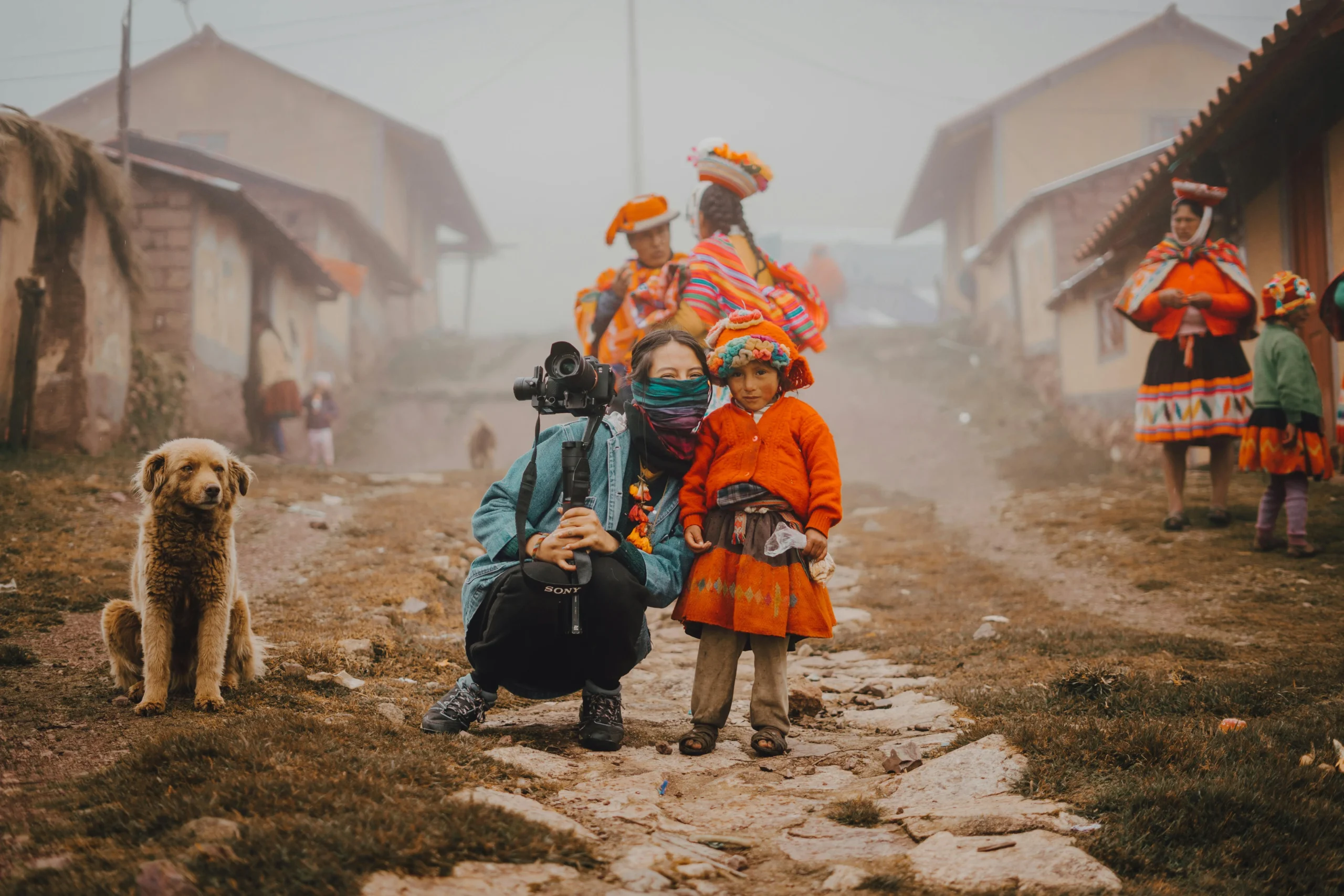
Top Quechua phrases for travelers in 2026
Quechua, a millennial language and cultural heritage of the Andes, is still alive in the streets, markets, and communities of Cusco. Learning some basic phrases will not only help you communicate with locals but also allow you to immerse yourself in the rich Andean culture and win the hearts of its inhabitants. Whether it’s to greet, ask for directions, or give thanks, these Quechua phrases will be your bridge to a more authentic and enriching experience during your trip in 2026. Therefore, here is a list of essential Quechua phrases that will be useful during your trip to Cusco, organized by topics:
Greetings in Quechua
• ALLIN P’UNCHAY: Good morning /a-yin pun-chai/
• ALLIN SUKHA: Good afternoon /a-yin su-kha/
• ALLIN TUTA: Good evening /a-yin tu-ta/
• ALLIN CH’ISI: Good evening /a-yin chi-si/
• HINALLATAQ QANPAQPAS: Likewise to you /hi-na-lla-taq qan-paq-pas/

Words for farewells in Quechua
• PAQARINKAMA: Until tomorrow /pa-qa-rin-ka-ma/
• SUKHAKAMA: Until the afternoon /su-kha-ka-ma/
• TUTAKAMA: Until the evening /tu-ta-ka-ma/
• MINCHHAKAMA: Until the day after tomorrow /min-chha-ka-ma/
• KUTIMUNAYKAMA: Until I return /ku-ti-mu-nai-ka-ma/
• TUPANANCHISKAMA: Until we meet again /tu-pa-nan-chis-ka-ma/
• HOQ P’UNCHAYKAMA: Until another day /hoq pun-chai-ka-ma/
• RIPUSHANIÑA, RISAQ: I’m leaving now /ri-pu-sha-ni-ña, ri-saq/

Expressions of courtesy and gratitude in Quechua
• SUMAQLLAÑA: I am grateful /su-maq-lla-ña/
• ANCHATA KUSIKUNI: I am very happy /an-cha-ta ku-si-ku-ni/
• AÑAY: Thank you /a-ñay/
• AÑAYCHAYKI: I thank you /a-ñay-chai-ki/
• ANCHATA AÑAYCHAKUYKI: I thank you very much /an-cha-ta a-ñay-cha-kuy-ki/
• AMA HINA KAYCHU: Please /a-ma hi-na kai-chu/
• PAMPACHAYKUWAY: Forgive me or excuse me /pam-pa-chay-ku-wai/

Common expressions in Quechua
• ARI: Yes /a-ri/
• MANA: No /ma-na/
• IMAYNALLAN KASHANKI?: How are you? /i-mai-nal-lan ka-shan-ki/
• ALLILLANCHU KASHANKI?: How are you? /a-yi-llan-chu ka-shan-ki/
• ALLILLANCHU?: How are you? /a-yi-llan-chu/
• ALLILLANMI KASHIANI, QAMRÍ?: I am fine, and you? /a-yi-llan-mi ka-shi-a-ni, qam-ri/
• NOQAPAS ALLILLANMI KASHANI: I am also fine /no-qa-pas a-yi-llan-mi ka-sha-ni/
• IMATAQ SUTIYKI?: What is your name? /i-ma-taq su-ti-y-ki/
• ÑUQAP SUTIYMI DAVID: My name is David /ñu-qap su-ti-y-mi Da-vid/
• MAYMANTAN KANKI?: Where are you from? /mai-man-tan kan-ki/
• ÑUQA QOSQOMANTA KANI: I am from Cusco /ñu-qa qos-qo-man-ta ka-ni/

Quechua phrases about the cost of things you buy
• ¿HAYK’A KAN?: How much is it? /hai-ka kan/
• ANCHA CHANIN: It’s very expensive /an-cha cha-nin/
• PISILLALLA: It’s cheap /pi-si-lla-lla/
• ¿CHIMPU KANCHU?: Do you have a discount? /chim-pu kan-chu/
If you want to practice Quechua in an authentic setting, Chinchero is ideal: a traditional market, textile artisans,
and local communities where Andean culture is still alive. Perfect for using greetings, “Añay”, and polite phrases with respect.

Quechua phrases for location or directions
• ¿MAYPITAÑAN…?: Where is…? /mai-pi-ta-ñan/
• ¿MAYPITAÑAN BAÑO?: Where is the bathroom? /mai-pi-ta-ñan ba-ño/
• ¿MAYPITAÑAN PLAZA?: Where is the plaza? /mai-pi-ta-ñan pla-sa/
• ¿MAYPITAÑAN HOTEL?: Where is the hotel? /mai-pi-ta-ñan ho-tel/
• LLOQ’E: Left /yo-qe/
• PAÑA: Right /pa-ña/

Expressions in Quechua for food
• YAKU: Water /ya-ku/
• MIKUY: Food /mi-kuy/
• KAYTA MUNANI: I want this /kai-ta mu-na-ni/
• ¿KANCHU…?: Do you have…? /kan-chu/
• MISKI: Delicious /mis-ki/
• YARQAYMI: I am hungry /yar-kai-mi/
• CH’AKIY: I am thirsty /cha-kiy/
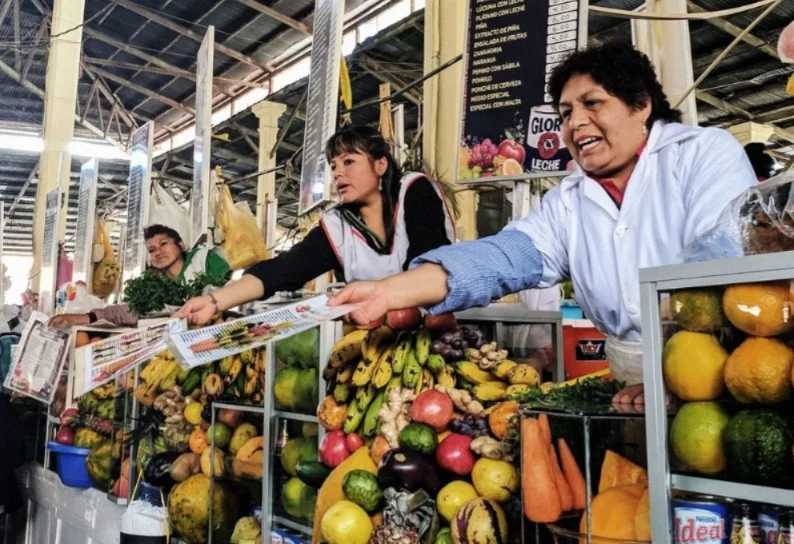
Friend or brother in Quechua
• MASIKUNA: Friend /ma-si-ku-na/
• WAWQI: Brother /wau-qi/
• ÑAÑA: Sister /nya-nya/
• SULPAYKI, MASIKUNA: Thank you, friend /sul-pai-ki, ma-si-ku-na/

Quechua phrases for flirting
• SUMAQMI KANKI: You are beautiful/handsome /su-maq-mi kan-ki/
• MUNAYKI: I like you /mu-nai-ki/
• ¿ÑOQAWAN PURINAYKIPAQCHU?: Do you want to go out with me? /nyo-qa-wan pu-ri-nai-ki-paq-chu/
• SAPANMI KANKI: You are special /sa-pan-mi kan-ki/

Numbers in Quechua
• HUK: One /huk/
• ISKAY: Two /is-kai/
• KINSA: Three /kin-sa/
• TAWA: Four /ta-wa/
• PISQA: Five /pis-qa, phi-sqa/
• SOQTA: Six /soq-ta/
• QANCHIS: Seven /qan-chis/
• PUSAQ: Eight /pu-saq/
• ISQON: Nine /is-qon/
• CHUNKA: Ten /chun-ka/

Resources to learn more Quechua phrases
If you want to delve deeper into the language, here are some useful online resources and apps you can use to break the ice with locals, which are also essential as part of your travel apps for Cusco and Peru in 2025.
1. Memrise: Offers basic Quechua courses.
2. Quechua Language: A website with free lessons and vocabulary.
3. Duolingo: Although it doesn’t have Quechua, it’s useful for learning Spanish, which will help you communicate in the region.
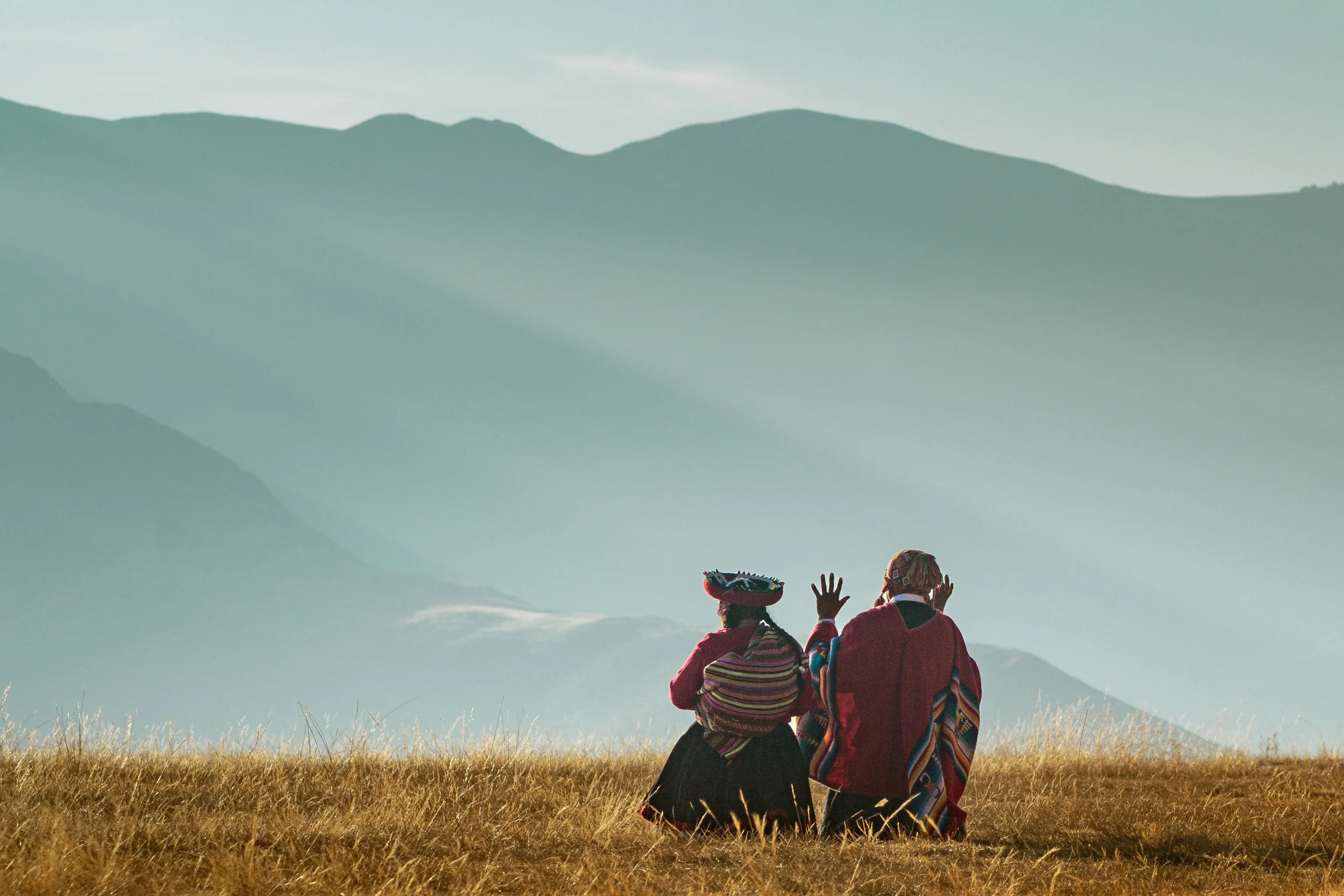
Tips for practicing Quechua phrases before your trip
1. Practice daily: If your trip to Cusco or Peru is approaching, dedicate 10-15 minutes a day to learning new Quechua phrases.
2. Speak with natives: If you have the opportunity to speak with someone who speaks Quechua in Cusco, don’t be afraid and take advantage of it!
3. Use flashcards: Create flashcards with useful Quechua phrases and review them regularly, or if you’re in Cusco, buy Quechua board games.
4. Listen to music: It’s an excellent way to familiarize yourself with the sounds of the language, such as William Luna with Andean music or Renata Flores who modernizes it.

The importance of cultural respect
Quechua is more than a language; it is a fundamental part of the identity of millions of people you will share with during your trip to Cusco. Therefore, when learning Quechua phrases, approach with respect, and local communities will appreciate your effort and be more willing to share their culture with you.

Additional facts and tips about Quechua in Cusco
1. Regional variations: Quechua has different variations depending on the region, but it only varies in accent, so make sure to learn phrases that are useful in Cusco.
2. Pronunciation: Pronunciation in Quechua can be different from Spanish, but with practice listening to audios or videos, it will become very easy.
3. Gestures and context: Accompany your Quechua phrases with friendly gestures and smiles, as this will facilitate communication, even if you don’t master the language.
4. Don’t be afraid to make mistakes: Locals will appreciate your effort, even if you make mistakes.
If you want to experience Cusco with all your senses, this tour is perfect: visit the San Pedro Market,
taste local flavors, and learn about Andean ingredients through an authentic experience. It’s also a great way to practice phrases like
“Kanchu…?”, “Añay”, and “Misk’i”.
👉
View the Food Tour →

As you immerse yourself in the rich history and vibrant culture of Cusco, the power of Quechua will bring you even closer to the essence of this ancestral land. Whether you’re exploring the imposing ruins of Machu Picchu, wandering through colorful local markets, or simply sharing a conversation with friendly locals, mastering a few Quechua phrases will open doors and hearts throughout your journey. Thanks to Kantu Peru Tours, you are now ready to interact with the locals. If you liked the information, don’t forget to give it a like and share it with other travelers, and if you have any questions to plan your trip to Cusco or need advice, don’t hesitate to contact us! 🌍✨





No comment yet, add your voice below!