
Experiential tourism in Puno is a unique opportunity to immerse yourself in the daily life of Andean communities, learning about their traditions, customs, and deep connection with nature. Located on the shores of the majestic Lake Titicaca, Puno is not only famous for its landscapes but also for its rich cultural heritage. Here, experiential tourism in Puno goes beyond being a mere spectator—it turns you into an active participant in an ancestral way of life.
Discover everything you need to know with this practical guide from Kantu Peru Tours, covering the most famous destinations, key features, what to see, what to do, how to get there, tips, prices, and more. Keep reading!
What is Experiential Tourism in Puno?
Unlike conventional tourism, experiential tourism in Puno focuses on direct interaction with local communities. It’s not just about visiting places but also about sharing time with families, participating in their activities, and understanding their worldview.
→ Human connection: Live alongside locals, learning their language (Quechua or Aymara) and traditions.
→ Hands-on experience: Every activity has deep cultural meaning, from weaving in Taquile to fishing in Los Uros.
→ Responsible tourism: Your visit directly contributes to the sustainable development of these communities.

Destinations for Experiential Tourism in Puno
Experiential tourism in Puno reaches its fullest expression in the communities of Lake Titicaca, where each destination offers an authentic and enriching experience. Here are the must-visit places for a genuine connection with Andean culture:
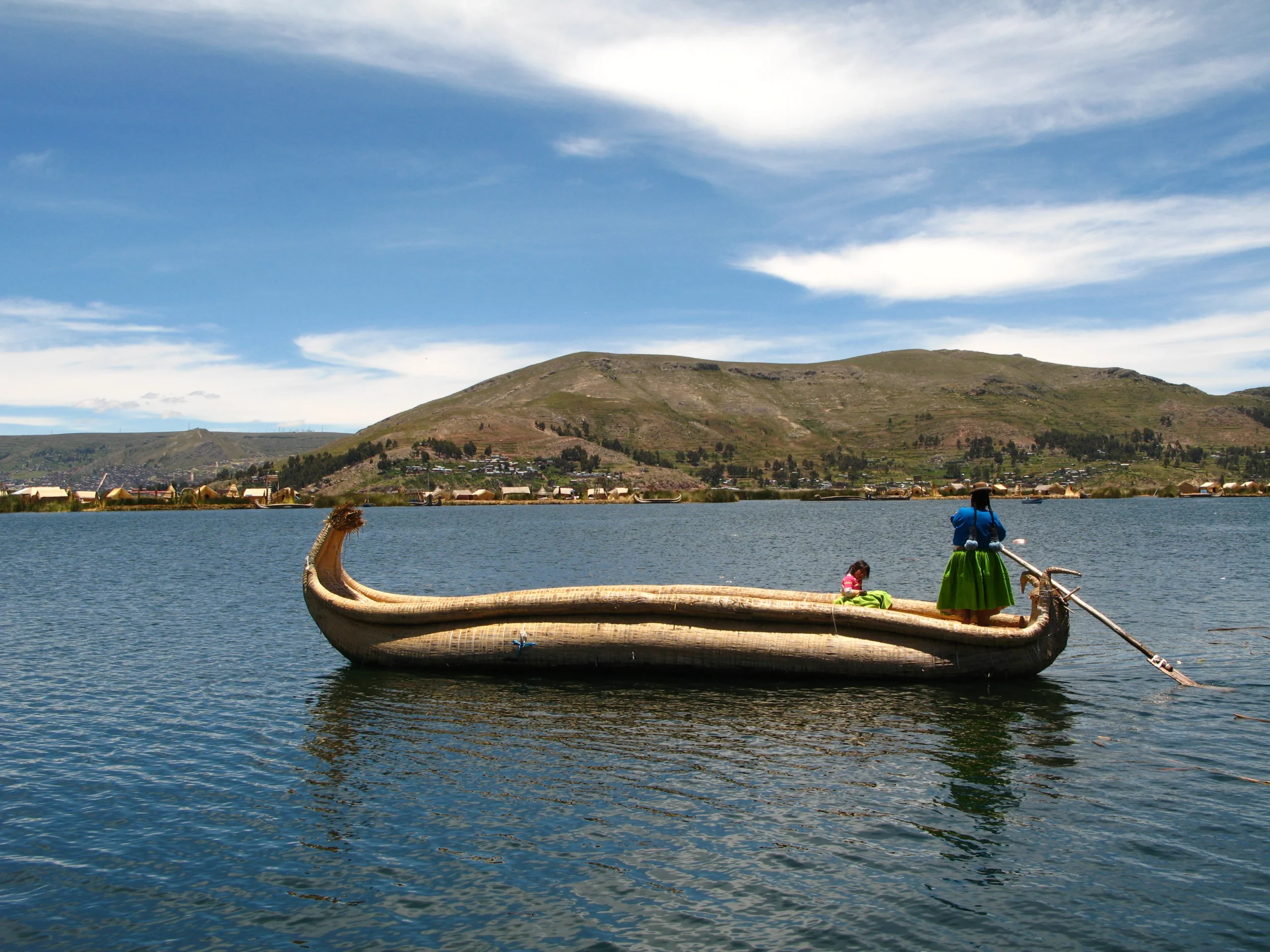
Floating Islands of Los Uros: Life on the Water
→ Unique experience: Walk on islands made of totora reeds, used by the Uros people to build their homes and boats.
→ Active learning: Learn how they harvest totora, construct their houses, and navigate on their iconic reed boats.
→ Cultural interaction: Learn about their history, Aymara language, and how they’ve preserved their traditions.
Taquile Island: The Kingdom of Andean Weaving
A UNESCO Cultural Heritage site, famous for its textiles, Taquile Island is considered among the finest in the world. Each garment tells a story through its intricate designs.
→ Take part in weaving workshops with the Taquileños, masters of spinning and embroidery.
→ Discover how men knit their “chullos” (traditional hats) and women create colorful belts.
→ Sample local cuisine, such as quinoa soup or Titicaca trout, prepared using ancestral techniques.

Amantaní Island: Andean Spirituality
Stay in rustic adobe homes, help with daily chores, and share stories under a starry sky. Activities in Amantani Islands include:
→ Participating in a Pachamama (Mother Earth) ceremony, giving thanks for harvests and seeking blessings.
→ Hiking to Pachatata or Pachamama hill for a traditional offering with coca leaves and indigenous music.
→ Farming potatoes, beans, or quinoa on ancient agricultural terraces, a method used since Inca times.

Experiences with Experiential Tourism in Puno
Staying with Local Families
Sleeping in a humble adobe or totora home is the best way to understand the essence of experiential tourism in Puno. Families warmly welcome you into their daily routines:
→ Help with household chores: Learn to cook over a wood fire, wash clothes in the lake, or fetch water.
→ Join in herding: Accompany children as they take sheep, alpacas, or cows to graze—a vital part of life.
→ Cultural exchange nights: After dinner, families often share stories, lake legends, and even teach you.

Traditional Cuisine
Food is a cornerstone of experiential tourism in Puno. You won’t just taste authentic dishes—you’ll learn to prepare them:
→ Titicaca trout: Fish with traditional nets, then cook it the local way—fried or as quinoa ceviche.
→ Quinoa with cheese: Harvest this “golden grain” and prepare it with fresh cow or alpaca cheese.
→ Papa a la huancaína: Discover dozens of potato varieties and learn to make this chili sauce.
→ Other must-tries: Fava bean soup, chuño (dehydrated potato) specialty in Amantaní.

Rituals in Aymara and Quechua Cosmology
Experiential tourism in Puno lets you take part in sacred ceremonies that have endured for centuries:
→ Offerings to Pachamama: Learn to prepare a “despacho” (ritual offering) with coca leaves, sweets, and alcohol.
→ Patron saint festivals: During events like Candelaria (February) or San Juan (June), just dance to the rhythm.
→ Gratitude ceremonies: On Amantaní, families hold nighttime rituals with indigenous music and bonfires.

Agricultural Work
To complete your experiential tourism in Puno, join the tasks that sustain these communities:
→ Traditional farming: Plant native potatoes, quinoa, or beans using a “chaquitaclla” (Inca plow).
→ Harvesting: In April-May, help gather crops while listening to harawis (work songs).
→ Caring for camelids: Feed alpacas and llamas, shear their wool (in season), and learn why they’re sacred animals.

How to Get to Lake Titicaca?
Option 1: Independent Travel: Ideal if you prefer to plan your trip at your own pace and save money:
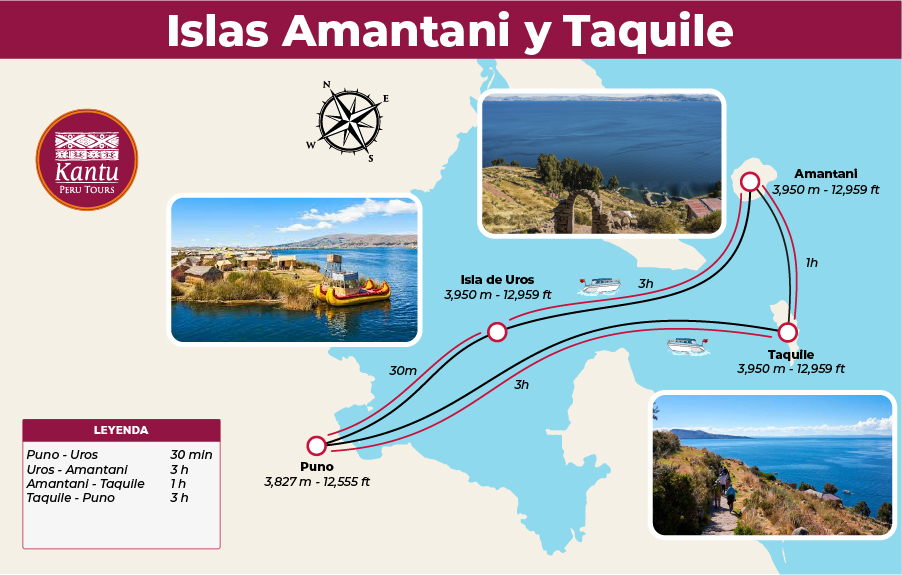
1️⃣ Travel to Puno by bus (6-10 hrs, from S/30) – Enjoy Andean landscapes.
2️⃣ Take a boat from the port (3-4 hrs, S/30-80) – The views of Lake Titicaca are incredible!
3️⃣ Organize your stay on the island: Find a host family and try local food (everything is more affordable).
Option 2: Organized Tour: Perfect if you prefer everything to be ready for you, with no worries other than enjoying the experience:
1️⃣ Book your package (S/150-500) – Depending on the tour operator for Puno, trips to the Uros may include everything from Cusco.
2️⃣ Relax and enjoy: Transportation, guide, meals, and lodging included.
3️⃣ Experience unique moments: Stay with local families and visit neighboring islands on a compact Lake Titicaca tour.
Why choose Experiential Tourism in Puno?
This experience offers an authentic connection with Andean communities, where 90% of your payment directly benefits local families. You’ll participate in ancestral rituals, learn traditional weaving and farming techniques, and live alongside Quechua and Aymara cultures. Responsible tourism preserves traditions while promoting sustainable development, with small group sizes ensuring genuine experiences.

Best time for experiential tourism in Puno
1. Dry Season (April-October):
→ Ideal weather: Sunny days (18°C) and cold nights (-5°C in July).
→ Harvest season and traditional festivals.
→ Perfect conditions for boating and outdoor activities.
2. Avoid November-March:
→ Heavy rains make lake transport difficult.
→ Fewer farming activities (planting season).
→ Some communities limit visitor access.

Key Recommendations Before Traveling
For the Traveler: Bring school supplies or seeds as useful gifts, and wear warm, waterproof clothing for the cold weather and rural paths.
Cultural Behavior: Ask for permission before taking photos, follow instructions during ancestral rituals, and avoid haggling, as prices are fair and fixed.
Interaction: Respect local customs, participate humbly in activities, and value the communities’ artisan work.
Physical Preparation: Acclimate to the altitude (3,827 masl), stay well-hydrated, and bring sun protection due to the intense solar radiation in the highlands.
Budget: Carry cash in soles (small bills), as there are no ATMs in the communities and few places accept cards.

Frequently Asked Questions
1. Is experiential tourism in Puno safe?
Yes! Communities are welcoming, but travel with responsible agencies and respect local rules.
2. What languages are spoken?
Spanish, Quechua, and Aymara. Learn basic phrases like “Allillanchu” (hello) to connect better.
3. Are there vegetarian options?
Yes! Traditional dishes include quinoa, potatoes, and beans. Inform your dietary needs when booking.
4. What gifts should I bring?
School supplies or vegetable seeds—avoid candy or unrequested clothing.
5. How to handle the altitude?
Experiential tourism takes place at 3,827 masl. Acclimate for 24 hours, drink coca tea, and avoid exertion on the first day.

Experiential tourism in Puno is an authentic journey into Andean culture while supporting local communities. With preparation and respect, it’s a transformative adventure.
If this blog inspired you to visit Puno, give us a 👍 like and share it with fellow travelers! Still have questions about planning your trip to Peru? Kantu Peru Tours is happy to help! Ready for this adventure? Lake Titicaca in Puno will leave you in awe! 🌿✨





No comment yet, add your voice below!