
Visiting Cusco and Machu Picchu will be one of the most unforgettable experiences of your life. It is a place that impresses all who visit both for its beauty, its history and the nature that surrounds it. Something to take into account is the altitude.
The lack of air will cause visitors who are not accustomed to altitude to have problems breathing. These discomforts prevent you from enjoying your visit 100%.
It can generate some fear, even some people choose to cancel their trip, but taking the necessary precautions will not have major problems. In this post we will tell you everything you need to know about altitude sickness and how to deal with it.
What is altitude sickness?
When we ascend to altitudes above 2 400 m.a.s.l. the air becomes thinner, there is less pressure, the percentage of oxygen is the same but the air is less dense, so when you breathe you inhale less oxygen than you are used to. To counteract this phenomenon, your body feels the need to breathe faster and pump the blood faster in order to have the same amount of oxygen to which it is accustomed. This is manifested by various symptoms, such as headache, dizziness, vomiting, etc.
Everything you need to know to overcome altitude sickness
There is no cure for altitude sickness other than descending to an elevation to which you are accustomed, usually below 2 400 m.a.s.l. altitude sickness no longer affects.
Machu Picchu is at 2400 m.a.s.l. So Machu Picchu will not represent difficulty. What can represent difficulty is Cusco, since it is a mandatory way to go to Machu Picchu.
If on your visit to Cusco you will visit the Rainbow Mountain, you should take extra precautions since it is located at 5 037 m.a.s.l.
Who can affect altitude sickness?
If you were born in a place near sea level and/or lived there throughout your life, you will be a potential candidate for altitude sickness, but it is not decisive, you can never really predict.
Symptoms of altitude sickness in Peru
Keep in mind that altitude sickness is relative. Not everyone is affected in the same way. Some people feel small headaches or dizziness, while others suffer more severe symptoms, to the point that some spend in the hospital during their entire stay. The symptoms of altitude sickness are:
- Dizziness
- Headache
- Difficulty breathing
- Nausea
- Vomiting
- Constipation or diarrhea
- Tachycardia
How to avoid altitude sickness in Peru
- Take it easy: Keep in mind that it is a natural process, that your body is adapting to the least amount of oxygen, so being calm is the main recommendation.
- Breathe deeply: By having less air on each exhalation, breathing deeply will help you get more air.
- Avoid alcohol: Alcohol can increase the effects of altitude sickness. At least during your first days do not ingest it.
- Drink plenty of water: In altitude you will need to hydrate your body more because it is generally dry environment and avoid dehydration
- Progressively acclimatize: This advice implies altering your travel plan.
A highly recommended way to deal with altitude sickness is that when arriving in Cusco by flight, boarding a taxi and heading to the Sacred Valley, this will allow you to acclimatize in a better way, since its altitude is 600 m lower than Cusco.
Another highly recommended alternative is to arrive in Cusco by land, the trip from Lima to Cusco will be 21 hours, and this progressive ascent will be more assimilable by your body (Not recommended if you are prone to motion sickness). - Take Sorojchi Pill: This medicine can be purchased without a prescription at any pharmacy in Cusco.
- Take Diamox: This medicine should be taken 24 hours before your arrival in Cusco.
- Chlorophyll drops: It is the green matter that plants produce. Taking a daily drop for a few days before arriving in Cusco, will increase the amount of red blood cells in your system, so it will increase your ability to absorb oxygen in your blood.
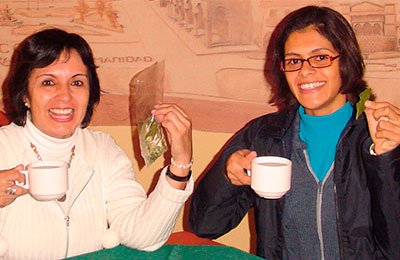
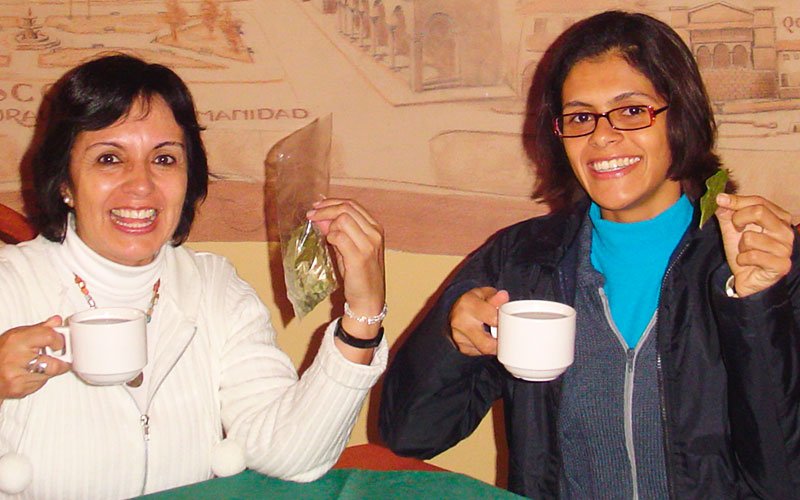
- Drink coca tea. You will find it everywhere in Cusco. It is one of the best natural remedies against altitude sickness. Keep in mind that coca leaf is a natural energizer, so you should not drink it before sleeping, and drinking too much coca tea will increase your heart palpitations, so do not drink more than 5 cups in a row.
Although it is true that the coca leaf is the raw material for the manufacture of cocaine, it should not be confused with it, the coca leaf is a plant consumed in the Andes since the Inca era, it is completely legal to consume it since not being processed does not mean being a drug.
Finally
If the symptoms of altitude sickness persist and reach the state of emergency, go to the emergency room of a hospital or clinic.
It is also advisable to bring a meter of blood oxygen, they are small devices that work by placing it on your finger.
[addthis tool=”addthis_inline_share_toolbox_ulje”]
Recommended Tours
[carousel_slide id=’2927′]





No comment yet, add your voice below!